Ants are a common household pest that can quickly become a nuisance if left unchecked. Whether you’ve spotted a few stragglers or have a full-blown infestation, dealing with ants can be frustrating and time-consuming. Fortunately, there are several simple and effective methods you can use to get rid of ants. In this article, we’ll explore 16 easy ways to get rid of ants. These methods can help you take control of your ant problem and enjoy a pest-free home.
Understanding Ants
Before we dive into the solutions, let’s take a moment to understand a bit more about ants and why they might be invading your home.
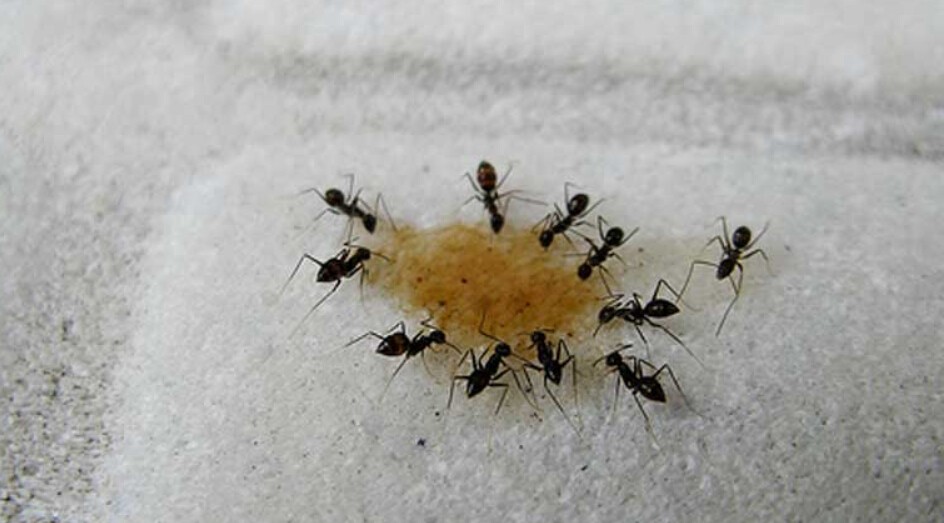
Ants are social insects that live in colonies, which can range in size from a few dozen to millions of individuals. There are over 12,000 species of ants worldwide, but only a handful of these are commonly found in homes.
Some of the most common types of household ants include:
- Pavement ants: These small, dark brown ants are often found in cracks and crevices in pavement. It can make their way into homes in search of food.
- Odorous house ants: These small, dark brown ants emit a strong, rotten coconut-like odor when crushed and are attracted to sugary foods.
- Carpenter ants: These large, black, or red ants tunnel through wood to create their nests and can cause structural damage to homes if left unchecked.
- Fire ants: These small, reddish-brown ants are known for their painful stings and can be aggressive when their nests are disturbed.
Ants are attracted to homes for a variety of reasons, including:
- Food: Ants are constantly on the lookout for food sources. Even small crumbs or spills can attract them into your home.
- Water: Like all living things, ants need water to survive. Leaky pipes, damp areas, and standing water can all attract ants.
- Shelter: Ants may come into your home in search of a warm, dry place to build their nests, especially during rainy or cold weather.
By understanding what attracts ants to your home, you can take steps to prevent infestations and keep these pests at bay.
16 Easy Ways to Get Rid of Ants Fast
1. Vinegar
Vinegar is a natural and effective way to get rid of ants. The strong smell of vinegar disrupts the pheromone trails that ants use to communicate and navigate. This makes it difficult for them to find their way back to their nest.
- Mix equal parts water and white vinegar in a spray bottle.
- Spray the solution directly on any ants you see, as well as along baseboards, windowsills, and other areas where ants may enter your home.
- Wipe up the dead ants and repeat the process as needed.
You can also use vinegar to create a barrier that ants won’t cross. Simply soak a few cotton balls in white vinegar and place them in areas where you’ve seen ants, such as near doors or windows.
2. Lemon
Like vinegar, lemon is another natural ant deterrent that can help keep these pests out of your home. The citric acid in lemon juice interferes with the pheromones that ants use to communicate. This makes it difficult for them to navigate and find food.
- Squeeze the juice of one lemon into a spray bottle and add a few drops of water.
- Spray the solution directly on any ants you see, as well as along baseboards, windowsills, and other areas where ants may enter your home.
- Wipe up the dead ants and repeat the process as needed.
You can also use lemon peels to create a natural ant barrier. Simply place a few lemon peels in areas where you’ve seen ants, such as near doors or windows.
3. Cinnamon
Cinnamon is another natural spice that can help repel ants. Like vinegar and lemon, the strong smell of cinnamon disrupts the pheromone trails that ants use to communicate and navigate.
- Sprinkle ground cinnamon along baseboards, windowsills, and other areas where you’ve seen ants.
- You can also place a few cinnamon sticks in areas where ants are a problem, such as near doors or windows.
- Repeat the process as needed to keep ants at bay.
Cinnamon is a safe and natural way to repel ants, and it also leaves your home smelling fresh and inviting.

4. Peppermint
Peppermint is another natural ant repellent that can help keep these pests out of your home. The strong smell of peppermint oil interferes with the pheromones that ants use to communicate and navigate.
- Mix a few drops of peppermint essential oil with water in a spray bottle.
- Spray the solution along baseboards, windowsills, and other areas where you’ve seen ants.
- You can also place a few drops of peppermint oil on a cotton ball and place it in areas where ants are a problem.
- Repeat the process as needed to keep ants at bay.
Peppermint is a safe and natural way to repel ants, and it also leaves your home smelling fresh and clean.
5. Diatomaceous Earth
Diatomaceous earth (DE) is a natural powder made from the fossilized remains of tiny aquatic organisms called diatoms. DE works by absorbing the oils and fats from the exoskeletons of insects, causing them to dehydrate and die.
To use DE to get rid of ants:
- Sprinkle a thin layer of food-grade DE along baseboards, windowsills, and other areas where you’ve seen ants.
- Be sure to use food-grade DE, as other types of DE can be harmful if inhaled.
- Leave the DE in place for a few days, then vacuum it up and reapply as needed.
DE is a safe and effective way to get rid of ants and other crawling insects. Besides, it’s also non-toxic to humans and pets.
6. Borax
Borax is a naturally occurring mineral that can be used to create a homemade ant bait. When ants consume borax, it interferes with their digestive system and eventually kills them.
To use borax to get rid of ants:
- Mix equal parts borax and sugar in a shallow dish.
- Place the dish in areas where you’ve seen ants, such as near baseboards or in cabinets.
- The ants will be attracted to the sugar and will carry the borax back to their nest, eventually killing the entire colony.
While borax is a natural substance, it can be harmful if ingested in large amounts. Be sure to keep borax ant baits out of reach of children and pets.
7. Boric Acid
Boric acid is another natural substance that can be used to create a homemade ant bait. Like borax, boric acid interferes with the digestive system of ants and eventually kills them.
To use boric acid to get rid of ants:
- Mix equal parts boric acid and sugar in a shallow dish.
- Place the dish in areas where you’ve seen ants, such as near baseboards or in cabinets.
- The ants will be attracted to the sugar and will carry the boric acid back to their nest, eventually killing the entire colony.
Like borax, boric acid can be harmful if ingested in large amounts. Be sure to keep boric acid ant baits out of reach of children and pets.
8. Cornstarch
Cornstarch is a natural substance that can be used to suffocate ants. When ants come into contact with cornstarch, it coats their bodies and clogs their spiracles (breathing pores), causing them to suffocate and die.
To use cornstarch to get rid of ants:
- Sprinkle a thin layer of cornstarch along baseboards, windowsills, and other areas where you’ve seen ants.
- Leave the cornstarch in place for a few hours, then vacuum it up and reapply as needed.
Cornstarch is a safe and non-toxic way to get rid of ants, and it’s also readily available in most kitchens.
9. Cayenne Pepper
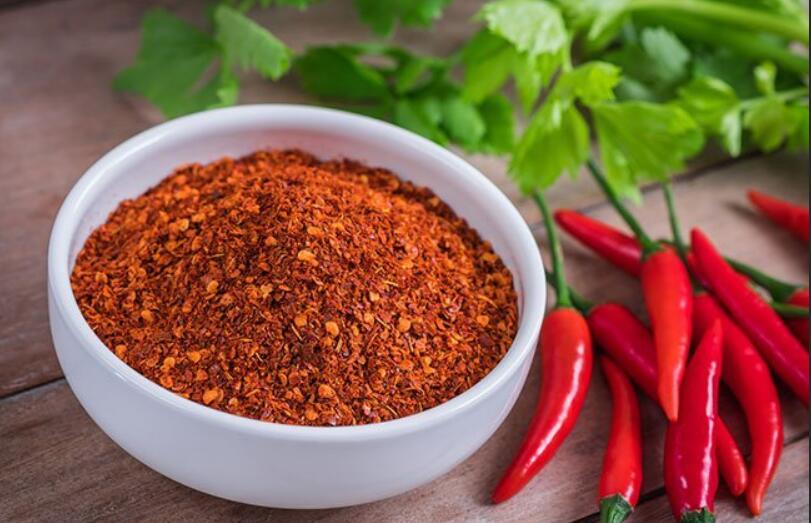
Cayenne pepper is a natural spice that can help repel ants. The capsaicin in cayenne pepper irritates the sensory receptors of ants, causing them to avoid the area.
To use cayenne pepper to get rid of ants:
- Sprinkle a thin layer of cayenne pepper along baseboards, windowsills, and other areas where you’ve seen ants.
- You can also mix cayenne pepper with water in a spray bottle and spray the solution directly on ants and their trails.
- Repeat the process as needed to keep ants at bay.
Cayenne pepper is a safe and natural way to repel ants, but be careful not to get it in your eyes or on your skin, as it can irritate.
10. Coffee Grounds
Used coffee grounds can be an effective way to repel ants. The strong smell of coffee interferes with the pheromones that ants use to communicate and navigate. This makes it difficult to find their way around.
To use coffee grounds to get rid of ants:
- Sprinkle used coffee grounds along baseboards, windowsills, and other areas where you’ve seen ants.
- You can also place a small dish of used coffee grounds near areas where ants are a problem, such as in cabinets or near doors.
- Repeat the process as needed to keep ants at bay.
Coffee grounds are a safe and natural way to repel ants, and they also add nutrients to your soil if you choose to sprinkle them in your garden.
11. Bay Leaves
Bay leaves are another natural herb that can help repel ants. Like many of the other natural remedies on this list, the strong smell of bay leaves interferes with the pheromones that ants use to communicate and navigate.
To use bay leaves to get rid of ants:
- Place a few whole bay leaves in areas where you’ve seen ants, such as in cabinets or near doors.
- You can also crush a few bay leaves and sprinkle them along baseboards, windowsills, and other areas where ants may enter your home.
- Replace the bay leaves every few days to maintain their potency.
Bay leaves are a safe and natural way to repel ants, and they also add a pleasant aroma to your home.
12. Cucumber Peels
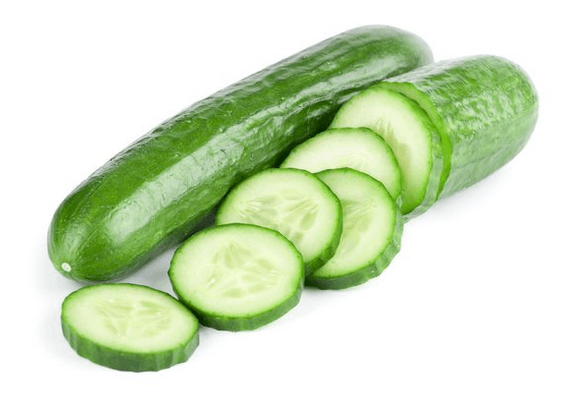
Cucumber peels contain a compound called trans-2-nominal, which is toxic to ants. When ants come into contact with cucumber peels, they will avoid the area and may even die.
To use cucumber peels to get rid of ants:
- Peel a cucumber and cut the peels into small pieces.
- Place the cucumber peels in areas where you’ve seen ants, such as near baseboards or in cabinets.
- Replace the cucumber peels every few days to maintain their potency.
Cucumber peels are a safe and natural way to repel ants, and they’re also readily available in most kitchens.
13. Chalk
Chalk contains calcium carbonate, which is a natural substance that can help repel ants. Ants don’t like to cross chalk lines, so drawing a line of chalk around entry points can help keep them out of your home.
- Draw a thick line of chalk along baseboards, windowsills, and other areas where ants may enter your home.
- Be sure to reapply the chalk line if it gets smudged or washed away.
- You can also sprinkle powdered chalk in areas where you’ve seen ants, such as in cabinets or near doors.
Chalk is a safe and non-toxic way to repel ants, and it’s also readily available in most homes with children.
14. Mint
Mint is another natural herb that can help repel ants. Like other natural remedies, the strong smell of mint interferes with the pheromones that ants use to communicate and navigate.
To use mint to get rid of ants:
- Plant mint around the perimeter of your home, especially near doors and windows.
- You can also place a few drops of peppermint essential oil on a cotton ball and place it in areas where ants are a problem.
- Crush a few fresh mint leaves and sprinkle them along baseboards, windowsills, and other areas where ants may enter your home.
Mint is a safe and natural way to repel ants, and it also adds a pleasant aroma to your home and garden.
15. Cloves
Cloves are another natural spice that can help repel ants. Like many of the other natural remedies on this list, the strong smell of cloves interferes with the pheromones that ants use to communicate and navigate.
To use cloves to get rid of ants:
- Place a few whole cloves in areas where you’ve seen ants, such as in cabinets or near doors.
- You can also sprinkle ground cloves along baseboards, windowsills, and other areas where ants may enter your home.
- Replace the cloves every few days to maintain their potency.
Cloves are a safe and natural way to repel ants, and they also add a warm, spicy aroma to your home.
16. Hire a Professional
If you’ve tried several of the above methods and are still struggling with an ant infestation, it may be time to hire a professional pest control service.
A professional exterminator can identify the type of ant you’re dealing with and recommend a targeted treatment plan to eliminate the infestation.
When hiring a professional, be sure to:
- Choose a reputable company with experience treating ant infestations.
- Ask about their treatment methods and any potential risks to your family and pets.
- Follow their instructions carefully to ensure the best possible results.
While hiring a professional can be more expensive, it may be necessary for severe or persistent ant infestations.
How to Prevent Future Ant Infestations?
Once you’ve successfully eliminated an ant infestation, it’s important to take steps to prevent future problems. Here are a few tips to help keep ants out of your home:
- Keep your kitchen clean and free of crumbs and spills.
- Store food in airtight containers and keep it off the counters and floor.
- Seal any cracks or gaps around doors, windows, and foundations to prevent ants from entering your home.
- Remove any standing water or moisture sources that may attract ants, such as leaky pipes or damp basements.
- Keep your yard clean and free of debris, and trim back any vegetation that touches your home.
By following these simple tips, you can help prevent future ant infestations and enjoy a pest-free home.
Conclusion
Ants can be a frustrating and persistent problem. But these remedies can help you take control of your ant problem and enjoy a pest-free home.
Remember, the key to success is persistence and patience. It may take a few tries to find the method that works best for your situation. With a little effort and dedication, you can eliminate even the most stubborn ant infestations.
If you’re still struggling with ants after trying several of these methods, don’t hesitate to reach out to a professional pest control service for help.