Ylang Ylang essential oil is a captivating and aromatic oil that has been cherished for centuries. Its exotic fragrance and numerous therapeutic properties make it a popular choice in the world of aromatherapy and natural remedies. This article will explore everything you need to know about Ylang Ylang essential oil, including its origins, benefits, uses, and more.
What is Ylang Ylang Essential Oil?
Ylang Ylang essential oil is derived from the flowers of the Cananga odorata tree, native to the tropical regions of Asia.
The oil is extracted through a steam distillation process, capturing the essence of the delicate yellow flowers. Ylang Ylang essential oil is known for its rich floral aroma, often described as sweet, exotic, and slightly fruity.
The key components of Ylang Ylang essential oil include linalool, geranyl acetate, caryophyllene, and other compounds that contribute to its therapeutic properties. These components make Ylang Ylang a versatile oil with various benefits for both physical and emotional well-being.
12 Proven Ylang Ylang Essential Oil Benefits
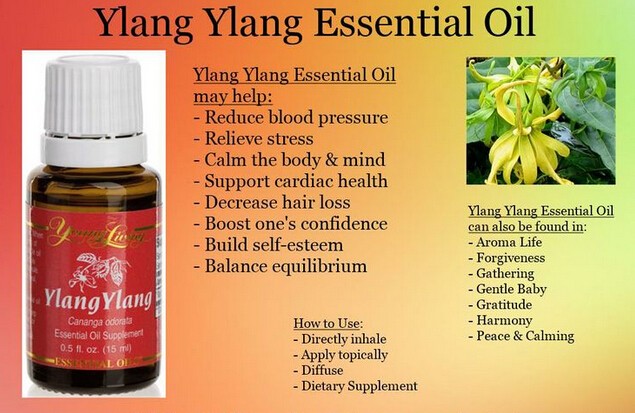
Ylang Ylang essential oil offers a wide range of benefits that can enhance physical, mental, and emotional well-being. Let’s dive deeper into the 12 proven benefits of Ylang Ylang oil:
1. Relaxation and Stress Reduction
Ylang Ylang essential oil is widely recognized for its ability to promote relaxation and reduce stress. Its sweet, floral aroma is known to have a calming effect on the mind and body.
A study published in the Journal of Evidence-Based Integrative Medicine found that inhaling Ylang Ylang oil helped reduce stress and anxiety levels in participants.
Incorporating Ylang Ylang oil into your daily routine, such as through aromatherapy or massage, can help create a sense of tranquility and promote overall well-being.
2. Mood Enhancement
The uplifting and mood-enhancing properties of Ylang Ylang oil make it a valuable tool for improving emotional well-being.
A study published in the Journal of Alternative and Complementary Medicine revealed that inhaling Ylang Ylang oil helped enhance mood and increase feelings of happiness and relaxation.
Diffusing Ylang Ylang oil in your living space or adding a few drops to a warm bath can create a soothing atmosphere and uplift your spirits.
3. Aphrodisiac Effects
Ylang Ylang oil has a well-established reputation as an aphrodisiac. Its exotic and sensual aroma can stimulate feelings of passion and desire.
A study published in the Journal of Sex and Marital Therapy found that participants who used Ylang Ylang oil experienced increased arousal and sexual satisfaction.
Adding a few drops of Ylang Ylang oil to massage oil or diffusing it in the bedroom can help create a romantic ambiance and enhance intimacy.
4. Skincare Support
Ylang Ylang essential oil offers numerous benefits for skincare. Its balancing properties can help regulate oil production, making it suitable for both dry and oily skin types.
Ylang Ylang oil also possesses antimicrobial and anti-inflammatory properties, which can help soothe skin irritations and promote a clear complexion.
Adding a drop or two of Ylang Ylang oil to your daily moisturizer or creating a DIY facial mask can support healthy, radiant skin.
5. Hair Care
Ylang Ylang oil can also work wonders for your hair. Its nourishing properties help moisturize the scalp and promote healthy hair growth.
Ylang Ylang oil can help improve the appearance of damaged hair, reduce breakage, and add shine and luster.
Consider adding a few drops of Ylang Ylang oil to your shampoo or conditioner or create a homemade hair mask by combining it with a carrier oil like coconut or jojoba oil.
6. Natural Perfume
Ylang Ylang essential oil’s captivating aroma makes it a popular choice in the world of perfumery.
Its sweet, floral scent is often used as a base note in perfume blends to provide depth and a touch of exotic allure.
You can create your signature scent by blending Ylang Ylang oil with other complementary essential oils such as Bergamot, Lavender, or Patchouli. Experiment with different combinations to find a fragrance that resonates with your style.
7. Sleep Aid
If you struggle with sleep, Ylang Ylang oil can help promote a restful night’s sleep. Its calming properties can help relax the mind and body, making it easier to unwind and prepare for sleep.
Diffusing Ylang Ylang oil in the bedroom before bedtime or adding a few drops to a nighttime bath can create a peaceful atmosphere and support a more restorative sleep.
8. Cognitive Function
Ylang Ylang essential oil has been shown to have a positive impact on cognitive function. Its uplifting and invigorating aroma can help improve focus, concentration, and mental clarity.
A study published in the Journal of Natural Medicines found that participants who inhaled Ylang Ylang oil demonstrated improved cognitive performance and memory retention.
Consider diffusing Ylang Ylang oil while studying or working on mentally demanding tasks to enhance productivity and mental alertness.
9. Digestive Support
Ylang Ylang oil can help support healthy digestion and provide relief from digestive discomfort. Its antispasmodic properties can help relax the muscles of the gastrointestinal tract and alleviate symptoms such as bloating, cramping, and indigestion.
Consider diluting a few drops of Ylang Ylang oil with a carrier oil and gently massaging it onto the abdomen to promote healthy digestion and ease digestive discomfort.
10. Relief from Menstrual Discomfort
Ylang Ylang essential oil has long been used to provide relief from menstrual cramps and other associated symptoms.
Its soothing properties can help alleviate pain and discomfort. Consider creating a massage blend by diluting Ylang Ylang oil with a carrier oil and gently massaging it onto the lower abdomen during menstruation.
You can also add a few drops of Ylang Ylang oil to a warm bath to help relax and ease menstrual discomfort.
11. Balancing Oil Production
Ylang Ylang essential oil can help balance oil production in the skin. For those with oily skin, its sebum-regulating properties can help reduce excess oiliness and minimize the appearance of pores.
On the other hand, for those with dry skin, Ylang Ylang oil’s moisturizing properties can help hydrate and nourish the skin. Consider adding a drop or two of Ylang Ylang oil to your facial cleanser or moisturizer to help balance your skin’s natural oil production.
12. Anti-Inflammatory Properties
Ylang Ylang oil possesses anti-inflammatory properties that can help soothe skin irritations and reduce redness. Its calming effects can provide relief from conditions such as acne, eczema, and dermatitis.
You can create a gentle DIY skin toner by mixing a few drops of Ylang Ylang oil with witch hazel or floral water. Apply the mixture to the skin using a cotton pad to help calm and soothe irritated skin.
How to Use Ylang-Ylang Essential Oil?
Ylang Ylang essential oil can be incorporated into various aspects of daily life to enhance well-being and provide natural solutions. Here are some practical uses of Ylang Ylang oil:
- Aromatherapy and Diffusers: Add a few drops of Ylang-ylang essential oil to a diffuser to create a calming and uplifting atmosphere. This is especially beneficial during meditation, yoga, or when you simply need a moment of relaxation.
- Topical Applications: Ylang Ylang oil can be diluted with a carrier oil like coconut oil or jojoba oil and applied topically. Massage it onto the skin for a soothing and moisturizing effect. Remember to conduct a patch test and use proper dilution ratios for safe use.
- Bath and Body Products: Enhance your self-care routine by adding Ylang Ylang essential oil to your bathwater or creating homemade body products like bath bombs, soaps, or lotions. The oil’s aroma and skincare benefits will leave you feeling pampered.
- Perfumery and Natural Fragrance Making: Due to its enchanting aroma, Ylang Ylang essential oil is a popular choice in perfumery and natural fragrance making. Combine it with other complementary essential oils to create unique and personalized scents.
- DIY Recipes for Home Remedies: Ylang Ylang oil can be incorporated into various DIY recipes for home remedies. From scalp treatments to facial masks, explore the numerous possibilities of using Ylang Ylang for natural health and beauty care.
- Room Freshener Spray: Create a homemade room freshener spray by combining Ylang Ylang essential oil with distilled water and a few drops of your favorite citrus essential oil. Use it to refresh your living space or as a linen spray.
Blending with Ylang Ylang Essential Oil: The Perfect Partners
To enhance the therapeutic benefits and aroma of Ylang Ylang essential oil, consider blending it with other complementary oils. Here are some essential oils that pair well with Ylang-Ylang:
- Lavender: Promotes relaxation and a peaceful environment.
- Bergamot: Uplifts mood and reduces anxiety.
- Geranium: Balances emotions and promotes hormonal balance.
- Patchouli: Provides grounding and relieves stress.
- Jasmine: Enhances feelings of sensuality and romance.
Experiment with different combinations to create your signature blend and enjoy the unique benefits of each oil.
Potential Side Effects and Considerations
While Ylang-ylang essential oil offers numerous benefits, it’s important to be aware of potential side effects and considerations. Here are some key points to keep in mind:
1. Skin Sensitivity
Ylang Ylang oil may cause skin irritation or allergic reactions in individuals with sensitive skin. It’s recommended to perform a patch test by applying a diluted solution of Ylang Ylang oil to a small area of the skin and monitoring for any adverse reactions. If irritation occurs, discontinue use.
2. Pregnancy and Children
Pregnant women and children should exercise caution when using Ylang Ylang oil. While there is limited research on its specific effects during pregnancy, it’s generally recommended to consult with a healthcare professional.
3. Sensitive Individuals
Some individuals may be more sensitive to the scent of Ylang Ylang oil, which can potentially trigger headaches, nausea, or respiratory irritation.
If you experience any adverse reactions, discontinue use and seek medical advice if necessary.
4. Interaction with Medications
Ylang Ylang oil may interact with certain medications, including sedatives, antidepressants, and blood pressure medications.
It’s advisable to consult with a healthcare professional if you are taking any medications to ensure there are no potential adverse interactions.
5. Internal Use
While Ylang Ylang oil is generally considered safe for topical and aromatic use, it is not recommended for internal consumption unless under the guidance of a certified aromatherapist or healthcare professional. Ingesting essential oils can have serious health consequences if done improperly.
6. Quality and Purity
When purchasing Ylang Ylang oil, ensure that you are using a high-quality, pure oil. Look for reputable brands that provide third-party testing and display the oil’s botanical name (Cananga odorata) on the label. Dilute Ylang Ylang oil properly and follow recommended usage guidelines.
Buying and Storing Ylang Ylang Essential Oil
When purchasing Ylang-ylang essential oil, it is essential to choose a high-quality product to ensure optimal therapeutic benefits. Consider the following tips:
- Source: Look for reputable brands that source their Ylang Ylang oil from sustainable and ethical producers. Ideally, choose oils that are sourced from organic or wildcrafted flowers.
- Labeling: Read the product labels carefully. Look for terms like “100% pure,” “therapeutic grade,” or “GC/MS tested” to ensure the oil’s purity and quality.
- Storage: To preserve the potency of Ylang-ylang essential oil, store it in a cool, dark place away from direct sunlight and heat. Proper storage will help maintain its fragrance and therapeutic properties.
Conclusion
Ylang Ylang essential oil is a true treasure from nature, offering a delightful aroma and numerous therapeutic benefits. Whether you use it for relaxation, skincare, or creating a romantic ambiance, Ylang Ylang is sure to captivate your senses and enhance your well-being.
Share your favorite ways to use Ylang Ylang essential oil and let us know how it has positively impacted your well-being.