Intensely tasty and aromatic, garlic is one of the common ingredients used in cooking in nearly all cultures. Besides its pungent smell and distinctive flavor, is there more to it? Why is garlic considered a superfood?
The phytonutrients and sulfur compounds in garlic have made this herb popular since ancient times. It has been used as medicine by the Babylonians, Chinese, Egyptians, Romans, and Greeks to boost overall health. Recent studies evaluated its ability to improve and prevent a wide spectrum of diseases.
Research shows that eating garlic regularly helps prevent infections, stroke, heart disease, and cancer.[1] According to The National Cancer Institute, although they don’t recommend dietary supplements for preventing cancer, they recognize garlic as one of the vegetables with anticancer properties.
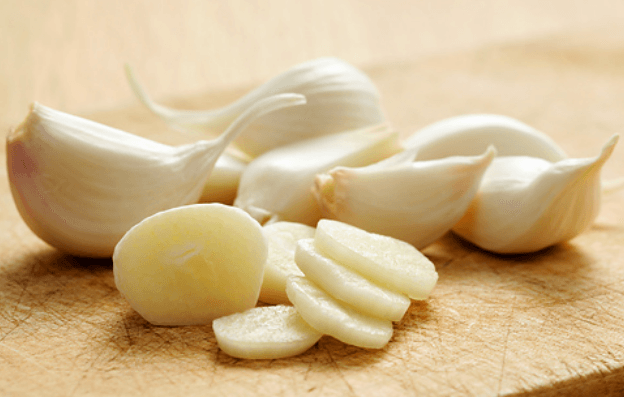
Health Benefits of Eating A Garlic Clove Every Day
The health benefits of this herb are countless. From fighting coughs and colds to lowering cholesterol levels, here’s what this herb can do when you consume it daily.
1. Boosts Immune System
Garlic was used during World War II when there was a shortage of medicines. This potent antibiotic can fight colds and flu, cure minor infections, and promote wound healing.
People who consume garlic during cold seasons are less likely to get a cold. If they get a cold, they can also recover faster than others. The allicin in garlic is believed to play a significant role in its antimicrobial powers.
Studies show that garlic extract stimulates white blood cells (neutrophils, lymphocytes, monocytes, and macrophages) by increasing glutathione production.[2]
White blood cells are immune cells that give protection against unwanted substances and infections. Glutathione is an antioxidant that defends immune cells from the damaging effects of free radicals.
2. Promotes Liver Health
One of the excellent benefits of garlic is its ability to promote detoxification. It helps the liver eliminate toxins, heavy metals, parasites, and traces of medications by increasing detoxifying enzymes CYP2B and glutathione S-transferase (GST).
Also, this delicious herb is rich in vitamins A, B, and C, which are essential for stimulating liver function. It also combats inflammation, making it an ideal option for individuals suffering from fatty liver disease.
If you suspect your liver is overloaded, consider eating garlic daily to increase your body’s detoxification process.
3. Improves Circulation
Garlic contains high levels of vitamin B, essential for reducing homocysteine levels. This substance constricts blood vessels, and higher levels increase the chances of developing coronary artery disease.[3]
According to a study published in The Journal of Nutrition, garlic can help cardiovascular health.[4]
Daily consuming two to three garlic cloves on an empty stomach can prevent such problems. Consider including garlic in your dishes or take supplements after discussing it with your physician.
In addition, limit salt consumption, reduce alcohol and caffeine intake, quit smoking, and stay active to enhance blood circulation.
4. Lowers Cholesterol Levels
The effect of allicin substances in garlic is so strong that eating just one clove a day can reduce low-density lipoprotein (LDL) cholesterol levels by up to nine percent. LDL cholesterol is harmful as it clogs your blood vessels and increases the risk of stroke and heart attacks.
This herb can prevent LDL cholesterol from oxidizing thanks to garlic’s allicin content. In a study that involved 70 diabetic patients, it was found that garlic deactivated cholesterol-producing enzymes and helped in lowering cholesterol.[5]
5. Aids Digestion and Treats Intestinal Infections
Eating a whole head of garlic a day is unnecessary to improve your digestion. What’s important is to know your body and keep things in balance.
Daily inclusion of this herb in your diet aids in preventing digestive issues. It also assists in the normal functioning of the intestines for better digestion.
Studies show garlic helps eliminate intestinal problems like colitis, diarrhea, and dysentery. It can also treat parasitic intestinal infections like tapeworm and giardiasis without affecting beneficial organisms in the intestines.[6]
Garlic’s ability to enhance the body’s defense mechanism also disrupts parasites’ food absorption, reproduction, and mobility by blocking fat synthesis.
6. Lowers Blood Pressure
Another remarkable phenomenon of this powerful herb is that it can help control high blood pressure.
A study published in the scientific journal Maturitas observed the effect of aged garlic extract on individuals taking antihypertensive medication but still have uncontrolled high blood pressure. It was revealed that taking four capsules or 960 milligrams of aged garlic extract daily lowered blood pressure by an average of ten points.[7]
To have these desired effects, supplement doses should be high enough. The amount of allicin required is equivalent to four cloves of garlic each day. According to Healthline, “supplementation can be as effective as regular medications.”
7. Helps Prevent Heart Disease
According to the Centers for Disease Control and Prevention, heart disease is the number one killer in the United States.
Garlic can help treat and prevent various metabolic and cardiovascular diseases, including diabetes, hypertension, thrombosis, hyperlipidemia, and atherosclerosis.[8]
In addition, garlic consumption has huge cardioprotective effects in human and animal studies. It may also reverse early heart disease by eliminating accumulated buildup in arteries.
In a study that involved 55 patients with metabolic syndrome, aged garlic extracts reduced plaque in the arteries supplying blood to the heart.[9]
8. Controls Diabetes and May Prevent Obesity
Diabetes is caused by high cholesterol, blood glucose, blood pressure, obesity, or genetics. Insulin resistance increases blood sugar levels, which happens when the body doesn’t respond to insulin anymore.
Studies have found that garlic can reduce insulin resistance, cholesterol, and blood sugar levels in patients with diabetes.
This herb also prevents obesity by reducing fat accumulation and body weight. It activates proteins (AMPK and uncoupling proteins) in the liver, muscle, and fat tissue, converting nutrients into heat. The ajoene compound in garlic decreases fat tissue and activates protein kinases to eliminate fat cells.
9. Good for the Skin
With garlic’s ability to stimulate immune cells, it can protect the skin from harmful ultraviolet radiation. When exposed to UV rays, the skin’s urocanic acid changes and suppresses the immune system.
Studies have found that aged garlic extract can reduce the suppression of immune cells in rats by lowering the concentration of urocanic acid. In addition, eating a clove of garlic regularly on an empty stomach can make the skin younger, smooth, and more beautiful.[10]
This strong herb contains high antioxidants that help regenerate and protect the skin. It also combats acne and stimulates the renewal of skin cells.
Garlic also helps treat skin problems like eczema, psoriasis, and keloid scars, which are hard scars resulting from the overgrowth of skin collagen.
10. Prevents Brain Damage Caused By Diseases and Aging
Garlic contains antioxidants that may help prevent dementia and Alzheimer’s disease. This herb also supports the protective mechanisms of the body against oxidative damage.
According to Healthline, high doses of garlic supplements can increase antioxidant enzymes and significantly decrease oxidative stress in individuals with hypertension.
The combined effects of lowering blood pressure, reducing cholesterol, and having antioxidant properties may help prevent brain damage caused by aging and diseases. Garlic also increases brain serotonin, enhancing cognitive performance and memory function.
11. Improve Bone Health
Many studies revealed that this herb could reduce bone loss by increasing female estrogen levels. In a study that involved menopausal women, it was found that daily consumption of two grams of raw garlic decreased a marker of estrogen deficiency significantly.
This suggests that this potent ingredient may improve bone health in women. Foods like onions and garlic are beneficial for people with osteoarthritis.
According to Whole Foods Magazine, garlic also helps improve the bone density of individuals with atherosclerosis. 60 individuals with a risk of atherosclerosis were divided into two groups – one taking a supplement with aged garlic extract, folic acid, vitamin B6, and B12, and the other taking a placebo. After a year, it was found that individuals taking supplements dramatically increased coronary artery calcium and bone mineral density.[11]
12. Prevents and Slows Down the Progression of Certain Cancer
Several studies show a relation between increased consumption of garlic and reduced risk of certain cancers, such as breast, colon, pancreas, stomach, and esophagus. The higher the amount of cooked and raw garlic consumed, the lower the risk of colorectal and stomach cancer.
Protective effects from this herb may arise from its ability to prevent the formation of cancer-causing substances or from its antibacterial properties.
Although the National Cancer Institute doesn’t suggest any dietary supplement to prevent cancer, they recognize garlic as one of many vegetables with potential anticancer agents.[12]
13. Eye Care
There’s no denying that our eyes are constantly under pressure. We spend most of our time staring at mobile phones, computer screens, and televisions which strain our eyes. As we grow older, the situation worsens, and our sight diminishes gradually.
Garlic is a powerful herb that may help treat eye infections and swelling. It is rich in nutrients like vitamin C, quercetin, and selenium, which benefit the eyes. Its high sulfur content also helps in keeping your lenses resilient and strong.
4. Increases Libido
In addition to the health benefits above, it is also important to note that garlic contains aphrodisiac properties. This means that it can be effective as a rejuvenator for sex.
Consuming garlic every day enhances the libido of both women and men. The allicin in garlic increases blood flow to sexual organs, but the effect doesn’t work overnight.
It may take about a month to reap its prizes. Those who can’t stand raw garlic can take capsules after consulting their physicians.
How to Peel Garlic Easily and Quickly
Many people find it difficult to peel garlic. Besides its thin skin, the strong scent can also stick to your fingers. Here’s a quick way to peel garlic quickly.
- Place a garlic bulb on the counter with its tip facing the ceiling.
- Strike the heel of your hand on the top of the bulb to separate the cloves.
- Place all garlic cloves between two ceramic or metal bowls.
- Cover the bowl with another bowl or lid and shake vigorously for at least 15 seconds.
- Open your bowls, and you will see your garlic cloves fully
Another option is to smash a garlic clove with a flat knife. This allows you to peel easily.
Clove of Garlic vs. Head of Garlic
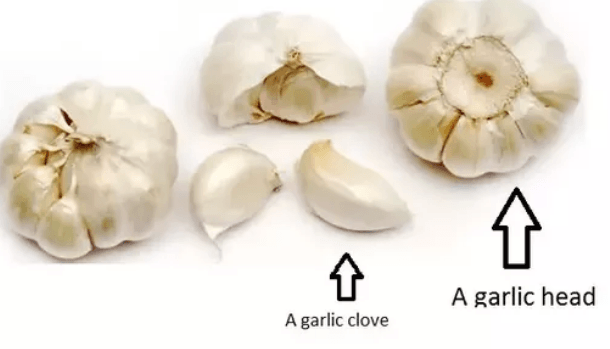
When buying garlic from a supermarket, you are getting ahead of garlic. When you break up a head of garlic, you will get smaller cloves of garlic that still have skin wrapped around them. Each of those parts is a garlic clove.
The number of cloves in one head of garlic can range from as few as four to 30 or more cloves for other varieties. Typical heads of garlic usually contain 10 to 15 cloves.
Final Word
To fully use garlic’s effect, you’d better consume it raw. Alternatively, you can cut or crush it and let it sit for about ten minutes before adding it to your cooked meals.
For those who don’t like the strong taste of this herb, garlic supplements are also available in powder, macerate, extract, and oil. Before taking garlic supplements or increasing your garlic intake medicinally, speak with your physician, especially if you are taking medications like birth control pills, blood thinning, nonsteroidal anti-inflammatory drugs, isoniazid, and cyclosporine.