
Bed bugs, those tiny, nocturnal creatures that feed on human blood, have been a nuisance for centuries. These pesky insects are known for their ability to hide in the smallest cracks and crevices of our homes, making them difficult to detect and eliminate. One of the most common signs of a bed bug infestation is their bites on the skin. In this article, we will explore in-depth the appearance of bed bug bites on the skin and how to recognize, treat, and prevent these bites.
What Are Bed Bugs?
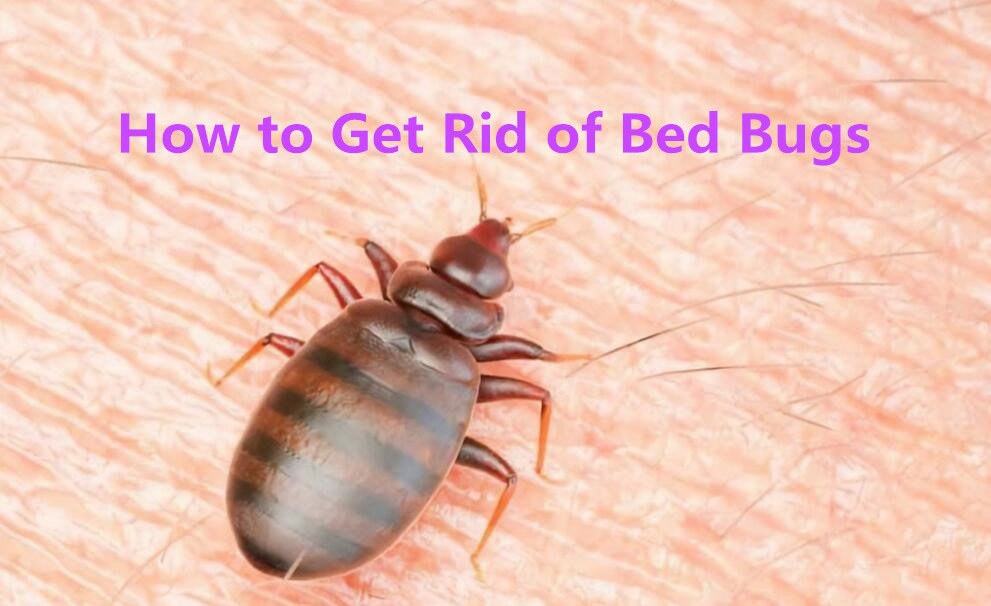
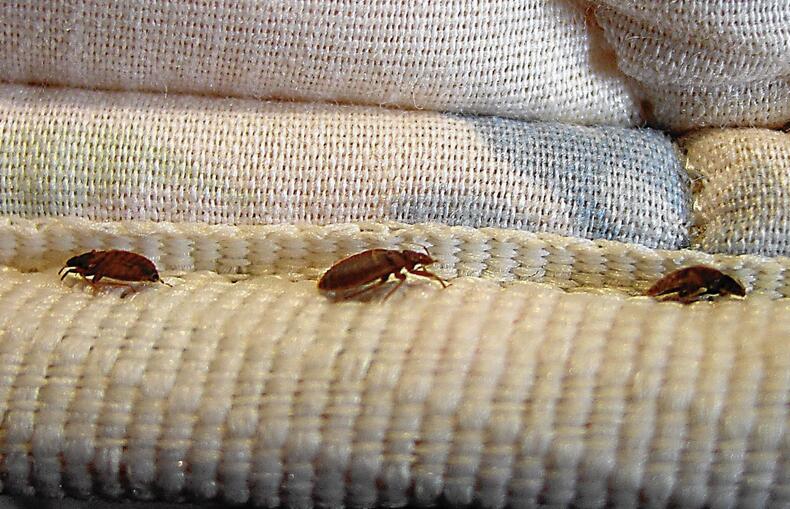
Bed bugs, scientifically known as Cimex lectularius, are small, wingless insects that belong to the family Cimicidae. They are flat, oval-shaped, and reddish-brown. Adult bed bugs are typically about the size of an apple seed, while nymphs (young bed bugs) are smaller and lighter in color. Bed bugs are attracted to warmth and carbon dioxide. This is why they often infest areas where humans sleep, such as beds, sofas, and even public transportation.
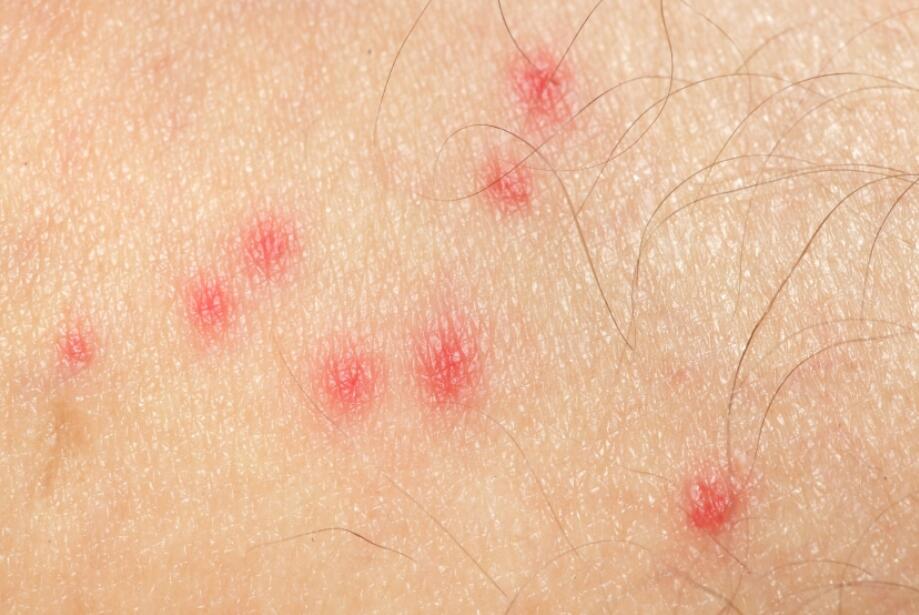
How to Recognize Bed Bug Bites?
When bed bugs bite, they inject a small amount of saliva into the skin to prevent blood clotting. This saliva contains anesthetic properties, which is why you may not feel the bite immediately. However, within a few hours or days, you may start to notice the following initial signs of bed bug bites:
- Itchy, red bumps: Bed bug bites often appear as small, raised, and reddish bumps on the skin. They may be clustered together or appear in a line, following the path of the bed bug’s movement. The bites are usually accompanied by intense itching, which can lead to scratching and potential skin damage.
- Swelling: Bed bug bites can cause localized swelling around the bite area. The swelling results from the body’s immune response to the bed bug’s saliva.
- Mild pain or discomfort: Some individuals may experience mild pain or discomfort at the site of the bite. This pain is often described as a slight burning or stinging sensation.
Variations in Bed Bugs Bite Skin Appearance
It is essential to note that the appearance of bed bug bites can vary from person to person. Here are some common variations in skin appearance due to bed bug bites:
1. Different skin reactions
While some people may develop immediate reactions to bed bug bites, such as intense itching and visible bumps, others may have delayed reactions or no visible signs at all. This variability in reactions can make it challenging to identify bed bug bites, especially if multiple people are sharing the same sleeping space.
2. Allergic reactions
In rare cases, individuals may experience severe allergic reactions to bed bug bites, leading to widespread rashes, blistering, and difficulty breathing. This severe allergic reaction, known as anaphylaxis, requires immediate medical attention. If you suspect an allergic reaction, call emergency services or seek medical help immediately.
3. Secondary infections
Scratching bed bug bites excessively can break the skin, leaving it vulnerable to secondary bacterial infections. It is crucial to avoid scratching and keep the bite area clean to prevent infections. If you notice signs of infection, such as increasing redness, warmth, swelling, or pus, consult a healthcare professional for proper evaluation and treatment.
The Progression and Healing of Bed Bug Bites
Bed bug bite marks typically follow a predictable progression as they heal. Understanding these stages can help you identify and differentiate bed bug bites from other skin conditions. Here are the stages of bed bug bite marks:
- Initial appearance: Shortly after being bitten, bed bug bites may appear as small, red bumps on the skin. They may be accompanied by itchiness or mild discomfort. The appearance of the bite marks can vary depending on an individual’s skin type and sensitivity.
- Inflammation and swelling: Over the next few days, the bite marks may become more inflamed and swollen. The surrounding skin may also appear redder than before. This inflammation is a result of the body’s immune response to the bed bug’s saliva.
- Itchiness and irritation: Itchiness is a common symptom associated with bed bug bites. It may intensify during healing, leading to further irritation and potential scratching. Scratching the bites can break the skin and increase the risk of infection.
- Resolution and healing: With proper care and time, bed bug bite marks typically resolve on their own within one to two weeks. The skin gradually returns to its normal appearance without scarring. However, in some cases, particularly if the bites were scratched excessively, the healing process may take longer, and the risk of scarring may be higher.
During the healing process, it is important to avoid scratching the bed bug bites, as this can prolong the healing time and increase the risk of secondary infections. If the itching becomes unbearable, there are several home remedies and over-the-counter treatments that can provide relief.
Effective Home Remedies for Bed Bug Bites
When it comes to alleviating the discomfort caused by bed bug bites, several home remedies can provide relief. Here are some effective home remedies to consider:
1. Cold Compress
Apply a cold compress or ice pack wrapped in a thin cloth to the affected area. The cold temperature can help reduce inflammation, numb the area, and provide immediate relief from itching caused by bed bug bites. Keep the compress on the affected area for 10-15 minutes at a time, several times a day.
2. Topical Hydrocortisone Cream
Over-the-counter hydrocortisone cream contains a mild steroid that can help reduce itching, inflammation, and redness associated with bed bug bites. Apply a thin layer of the cream directly to the bites and gently massage it into the skin. Follow the instructions on the packaging for proper usage and avoid excessive or prolonged use.
3. Calamine Lotion
Calamine lotion is a popular remedy for relieving itching and soothing irritated skin. It contains ingredients such as zinc oxide and ferric oxide, which have a cooling effect on the skin. Shake the bottle well before use and apply the calamine lotion directly to the bites. Allow it to dry and reapply as needed for continued relief.
4. Aloe Vera Gel

Aloe vera gel is known for its soothing and healing properties. It can help reduce itching and inflammation, and promote skin healing. Extract fresh gel from an aloe vera leaf or use commercially available aloe vera gel. Apply a thin layer of the gel directly to the bed bug bites and gently massage it into the skin. Allow it to dry and reapply as needed.
5. Tea Tree Oil
Tea tree oil has natural antiseptic, anti-inflammatory, and analgesic properties, which can help reduce itching and prevent infection. Dilute a few drops of tea tree oil with a carrier oil, such as coconut oil or almond oil. Apply the diluted mixture to the bites using a cotton ball or swab. Allow it to dry and repeat a few times a day as needed.
6. Baking Soda Paste
Baking soda has alkaline properties that can help neutralize the pH of the skin and reduce itching. Mix a small amount of baking soda with water to create a paste. Apply the paste directly to the bed bug bites and leave it on for about 10 minutes before rinsing off with cool water. Repeat this remedy a few times a day for relief.
7. Oatmeal Bath
Adding finely ground oatmeal to a warm bath can help soothe irritated skin and relieve itching caused by bed bug bites. Fill a bathtub with warm water and add a cup of finely ground oatmeal to it. Stir the water to evenly distribute the oatmeal and soak in the bath for 15-20 minutes. After the bath, gently pat your skin dry and apply a moisturizer to lock in moisture.
8. Apple Cider Vinegar

Apple cider vinegar has antimicrobial and anti-inflammatory properties that can help reduce itching and inflammation caused by bed bug bites. Dilute apple cider vinegar with equal parts of water and apply it to the bites using a cotton ball or a clean cloth. Leave it on for a few minutes before rinsing off with cool water. Repeat this remedy a few times a day.
9. Honey
Honey has natural antibacterial properties and can help soothe itching and promote healing of bed bug bites. Apply a small amount of honey directly to the bites and leave it on for 15-20 minutes before rinsing off with warm water. Repeat this remedy a few times a day for relief.
10. Essential Oils
Some essential oils, such as lavender, peppermint, and chamomile, have anti-inflammatory and soothing properties. Dilute a few drops of your preferred essential oil with a carrier oil, such as coconut oil or almond oil, and apply it to the bites using a cotton ball or your fingertips. Gently massage the oil into the skin and leave it on. Repeat as needed for relief from itching and inflammation.
How to Prevent Bed Bug Infestations?
Preventing bed bug infestations requires a combination of proactive measures and vigilance. Here are some effective ways to prevent bed bug infestations:
1. Inspect hotel rooms and accommodations
When traveling, thoroughly inspect hotel rooms for signs of bed bugs before settling in. Check the mattress, headboard, and nearby furniture for any signs of infestation, such as live bugs, shed skins or dark spots. Pay attention to reviews and reports of bed bug infestations in hotels before making a reservation.
2. Be cautious when purchasing second-hand furniture
Inspect used furniture thoroughly before bringing it into your home. Look for signs of infestation, such as live bugs, eggs, or fecal stains. Consider treating second-hand furniture with heat or contacting a professional exterminator before bringing it indoors.
3. Regularly clean and vacuum your home
Regular cleaning and vacuuming can help reduce the likelihood of bed bug infestations. Pay close attention to areas where bed bugs are known to hide, such as mattresses, box springs, and upholstered furniture. Vacuum these areas regularly and dispose of the vacuum bag in a sealed plastic bag to prevent any captured bed bugs from escaping.
4. Use mattress and box spring encasements
Encase mattresses and box springs with specially designed bed bug-proof encasements. These encasements create a barrier that prevents bed bugs from infesting the mattress or box spring and makes it easier to spot and eliminate any existing bed bugs.
5. Minimize clutter
Reduce clutter in your home, as it provides additional hiding spots for bed bugs. Keep your living spaces clean and organized, making it easier to detect and eliminate any potential bed bug infestations.
6. Be cautious when using shared laundry facilities
If you use shared laundry facilities, transport your clothes in sealed bags or wash them in high heat to kill any potential bed bugs or eggs.
7. Seek professional help if needed
If you suspect a bed bug infestation or have confirmed sightings, it is best to seek professional help from a licensed pest control expert. They have the knowledge, experience, and tools to effectively eliminate bed bugs and prevent future infestations.
When Bed Bug Bites Become a Concern
While most bed bug bites resolve without complications, there are instances where medical attention may be necessary. Here are some signs to look out for:
1. Signs of infection
If the bite marks become increasingly painful or hot to the touch, or if you notice pus or discharge, it could indicate a secondary infection. Infections can occur when bacteria enter the broken skin from scratching. Consult a healthcare professional for proper evaluation and treatment if you suspect an infection.
2. Severe allergic reactions
If you experience symptoms such as difficulty breathing, dizziness, or swelling of the face, lips, or throat after being bitten by bed bugs, seek immediate medical attention. These symptoms may indicate a severe allergic reaction, which requires immediate treatment. Anaphylaxis is a medical emergency and can be life-threatening if not treated promptly.
FAQs
1. Can bed bug bites spread diseases?
No, bed bug bites are not known to transmit diseases. However, excessive scratching may lead to secondary skin infections. It is essential to keep the bite area clean and avoid scratching to minimize the risk of infection.
2. How long do bed bug bites last on the skin?
Bed bug bites typically resolve within one to two weeks. The duration may vary depending on an individual’s immune response and the severity of the bites. It is important to resist the urge to scratch the bites, as this can prolong the healing process and increase the risk of complications.
3. Are bed bug bites dangerous to children or pets?
While bed bug bites can cause discomfort and irritation in children and pets, they are generally not considered dangerous. However, it is crucial to monitor their reactions and seek medical attention if necessary. Children and pets may have more sensitive skin, so their reactions to bed bug bites may be more pronounced.
4. Can bed bugs infest clothing and personal belongings?
Yes, bed bugs can infest clothing, bedding, furniture, and personal belongings. They are excellent hitchhikers and can easily travel on clothing or other items. When dealing with a bed bug infestation, it is important to wash and dry clothing on high heat, vacuum and treat infested furniture, and take precautions when handling infested items to prevent further spread.