Imagine you’re in the middle of a conversation, enjoying a meal, or trying to fall asleep, and suddenly you’re hit with a bout of hiccups. These involuntary contractions of the diaphragm can be annoying, embarrassing, and sometimes even painful. While hiccups usually go away on their own within a few minutes, there are times when they can last for hours or even days.
Fortunately, there are several simple techniques you can try to get rid of hiccups quickly and easily. In this article, we’ll explore 16 easy ways to stop hiccups immediately. These tried-and-true methods can help you find relief fast. So the next time you find yourself in the throes of a hiccup attack, give one of these remedies a try!

What Causes Hiccups?
Before we dive into the remedies, let’s take a moment to understand what causes hiccups in the first place. Hiccups occur when the diaphragm, a muscle located at the base of the lungs, begins to spasm involuntarily.
This can cause you to suddenly inhale air, which then gets “stuck” in your throat when your vocal cords snap shut, creating the characteristic “hic” sound.
There are many potential triggers for hiccups, including:
- Eating too quickly or too much
- Drinking carbonated beverages
- Sudden changes in temperature
- Stress or excitement
- Swallowing air while chewing gum or smoking
- Certain medications
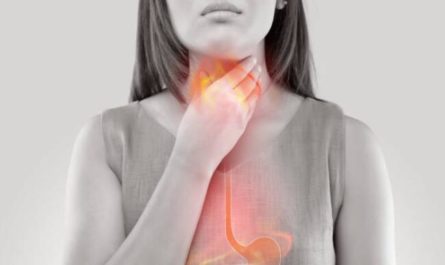
- Medical conditions like gastroesophageal reflux disease (GERD) or brain tumors (in rare cases)
16 Easy Ways to Stop Hiccups Immediately
1. Hold Your Breath
One of the most common and effective ways to stop hiccups is to hold your breath. This works by increasing the amount of carbon dioxide in your bloodstream, which can help to relax the diaphragm and stop the spasms.
- Take a deep breath and hold it in for as long as you can (aim for at least 10 seconds).
- Exhale slowly and see if the hiccups have stopped.
- If the hiccups persist, repeat the process a few more times.
Some people find it helpful to pinch their nose while holding their breath, as this can help to further increase the amount of carbon dioxide in the body.
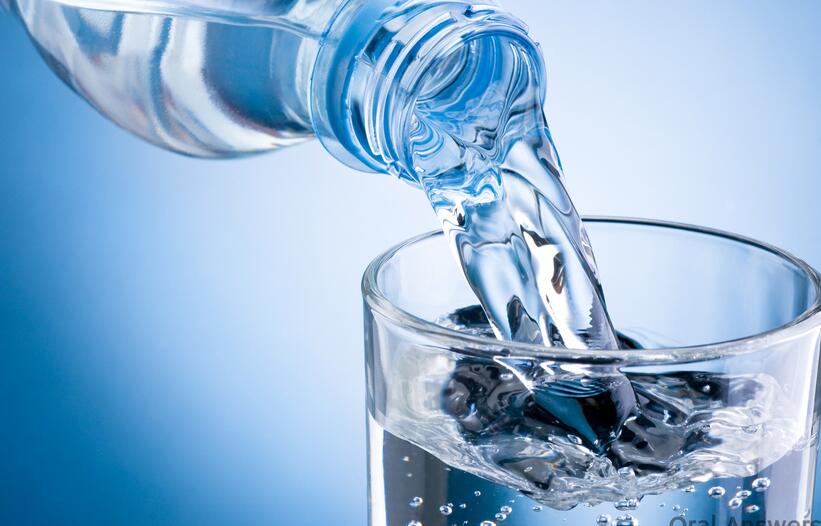
2. Drink Water
Another simple way to stop hiccups is to drink water. Sipping water can help to stimulate the vagus nerve, which runs from the brain to the stomach, and can help to relax the diaphragm.
- Take a few sips of water, being careful not to gulp or swallow too much air.
- Repeat as needed until the hiccups subside.
Some people find it helpful to drink from the opposite side of the glass, as this can help to further stimulate the vagus nerve.
To do this, bend over at the waist and place your mouth on the opposite side of the glass from where you would normally drink. Then, tilt the glass up and sip the water slowly.
3. Swallow a Teaspoon of Sugar
Believe it or not, swallowing a teaspoon of granulated sugar can be an effective way to stop hiccups. The graininess of the sugar is thought to stimulate the vagus nerve, which can help to relax the diaphragm and stop the spasms.
- Place a teaspoon of granulated sugar on your tongue.
- Swallow the sugar dry, without drinking any water.
- Wait a few seconds to see if the hiccups have stopped.
If the hiccups persist, you can try repeating the process one or two more times. Just be careful not to overdo it, as consuming too much sugar can be harmful to your health.

4. Pull on Your Tongue
Pulling on your tongue can be another effective way to stop hiccups. This works by stimulating the vagus nerve to relax the diaphragm and stop the spasms.
- Stick out your tongue and gently pull on it with your fingers.
- Hold the position for a few seconds, then release.
- Repeat as needed until the hiccups subside.
Some people find it helpful to combine this method with holding their breath or sipping water for added effectiveness.
5. Bite on a Lemon
The sourness of a lemon can be a powerful hiccup-stopper. The sudden, intense flavor is thought to stimulate the vagus nerve and help relax the diaphragm.
- Cut a lemon wedge and sprinkle it with a little bit of salt (optional).
- Bite into the lemon wedge and suck on it for a few seconds.
- Swallow the juice and see if the hiccups have stopped.
If you don’t have a lemon on hand, you can also try other sour foods like pickles or vinegar.
6. Hug Your Knees
Hugging your knees is a simple physical maneuver that can help to stop hiccups by compressing the chest and diaphragm.
- Sit down and bring your knees up to your chest.
- Wrap your arms around your knees and hug them tightly.
- Hold the position for a few seconds, then release.
- Repeat as needed until the hiccups subside.
Some people find it helpful to combine this method with holding their breath or sipping water for added effectiveness.
7. Use the Valsalva Maneuver
The Valsalva maneuver is a technique that involves exhaling forcefully against a closed airway. This can help to increase the pressure in your chest and stop hiccups by stimulating the vagus nerve.
- Pinch your nose and close your mouth.
- Try to exhale forcefully, as if you were blowing up a balloon.
- Hold the position for a few seconds, then release.
- Repeat as needed until the hiccups subside.
It’s important to note that the Valsalva maneuver can cause a temporary increase in blood pressure and should be avoided if you have certain medical conditions like glaucoma or heart disease.
8. Try the Heimlich Maneuver (With Caution)
The Heimlich maneuver is a technique that’s typically used to dislodge an object from someone’s throat, but it can also be effective at stopping hiccups. The sudden compression of the diaphragm can help to relax the muscles and stop the spasms.
- Stand behind the person with hiccups and wrap your arms around their waist.
- Make a fist with one hand and place it just above the person’s belly button.
- Grasp the fist with your other hand and give a quick, upward thrust.
- Repeat as needed until the hiccups subside.
It’s important to use caution when performing the Heimlich maneuver. Because it can cause injury if done improperly. This method should only be used as a last resort and should never be performed on infants or pregnant women.

9. Breathe Into a Paper Bag
Breathing into a paper bag is another way to increase the amount of carbon dioxide in your bloodstream. This can help to relax the diaphragm and stop hiccups.
- Find a small paper bag (like a lunch bag) and hold it over your mouth and nose.
- Breathe slowly and deeply into the bag for 30-60 seconds.
- Remove the bag and see if the hiccups have stopped.
It’s important to note that this method should only be used with a paper bag, not a plastic one. Breathing into a plastic bag can be dangerous. If you start to feel dizzy or lightheaded, remove the bag immediately.
10. Sip on Some Peppermint Tea
Peppermint tea is a natural remedy that can help to relax the diaphragm and stop hiccups. The menthol in peppermint has a cooling, soothing effect that can help to calm muscle spasms.
- Brew a cup of peppermint tea according to the package instructions.
- Sip the tea slowly, taking small swallows.
- Repeat as needed until the hiccups subside.
If you don’t have peppermint tea on hand, you can also try sucking on a peppermint candy or chewing on a fresh mint leaf.
11. Try Acupressure
Acupressure is a traditional Chinese medicine technique that involves applying pressure to specific points on the body to relieve various ailments. Several acupressure points are believed to be effective at stopping hiccups.
- Locate the acupressure point on your wrist, about two inches down from the base of your palm, between the two tendons.
- Use your thumb to apply firm pressure to the point for 30-60 seconds.
- Release the pressure and see if the hiccups have stopped.
You can also try pressing on the acupressure point located just below your sternum (breastbone), in the center of your chest.
12. Gargle With Ice Water
Gargling with ice water can be an effective way to stop hiccups by stimulating the vagus nerve and causing the diaphragm to relax.
- Fill a glass with ice water and take a small sip.
- Tilt your head back and gargle the water for 10-15 seconds.
- Spit out the water and see if the hiccups have stopped.
If the hiccups persist, you can try repeating the process a few more times.
13. Eat a Spoonful of Peanut Butter
Eating a spoonful of peanut butter is another home remedy that can help to stop hiccups. The thick, sticky texture of the peanut butter is thought to stimulate the vagus nerve and help relax the diaphragm.
- Take a spoonful of peanut butter and hold it in your mouth for a few seconds.
- Swallow the peanut butter slowly, taking care not to inhale any air.
- Wait a few seconds to see if the hiccups have stopped.
If you have a peanut allergy, you can try using almond butter or another nut butter instead.
14. Suck on a Lemon Wedge
Sucking on a lemon wedge is another way to stimulate the vagus nerve and stop hiccups. The sourness of the lemon can help to “shock” the diaphragm and stop the spasms.
- Cut a lemon into wedges and sprinkle them with a little bit of salt (optional).
- Place a wedge in your mouth and suck on it for 10-15 seconds.
- Swallow the juice and see if the hiccups have stopped.
If you don’t have a lemon on hand, you can also try sucking on a lime wedge or a pickle.
15. Take a Hot Shower
Taking a hot shower can be a relaxing way to stop hiccups. The steam from the shower can help to soothe the diaphragm and stop the spasms.
- Turn on the shower and adjust the water temperature to as hot as you can comfortably stand.
- Stand under the showerhead and let the hot water run over your chest and back for 5-10 minutes.
- Take deep, slow breaths and try to relax your body.
If you don’t have access to a shower, you can also try taking a hot bath or applying a heating pad to your chest.
16. Relax and Wait it Out
Sometimes, the best way to stop hiccups is to simply relax and wait for them to pass on their own. Hiccups are often triggered by stress or anxiety. So taking a few deep breaths and trying to calm your mind can be helpful.
- Find a quiet, comfortable place to sit or lie down.
- Take slow, deep breaths and focus on relaxing your body. 3 . Try to distract yourself by reading a book, listening to music, or watching TV.
- Wait patiently for the hiccups to subside, which usually happens within a few minutes to an hour.
If your hiccups persist for more than a few hours or are accompanied by other symptoms like chest pain or difficulty breathing, it’s important to see a doctor.
How to Prevent Hiccups?
While hiccups are often unavoidable, there are some things you can do to reduce your risk of getting them in the first place:
- Eat and drink slowly, taking small bites and sips
- Avoid carbonated beverages and spicy or hot foods
- Don’t eat or drink too much at once
- Avoid sudden changes in temperature (like drinking a hot beverage after eating ice cream)
- Practice good posture and avoid slouching or hunching over
- Manage stress and anxiety with relaxation techniques like deep breathing or meditation
By following these simple tips and trying the home remedies outlined above, you can help prevent and stop hiccups quickly and easily.
When to See a Doctor?
While most cases of hiccups are harmless and will go away on their own, there are some situations where medical attention may be necessary. You should see a doctor if:
- Your hiccups last for more than 48 hours
- Your hiccups are interfering with your ability to eat, sleep, or breathe
- You have other symptoms like chest pain, fever, or vomiting
- You have a history of heart or lung disease
- You have recently had surgery or started a new medication
In rare cases, persistent or intractable hiccups can be a sign of a more serious medical condition like a brain tumor, stroke, or multiple sclerosis. If you have any concerns about your hiccups or overall health, don’t hesitate to speak with your doctor.