
Dealing with a rash on the skin can be an uncomfortable and irritating experience. It is the body’s natural response to allergens such as infections, insects, trees, plants, heat, alcohol, or foods. When it starts, some skin cells will release histamine, resulting in redness or red patches. You may also have other symptoms, such as itching, sting, inflammation, and burning sensation.
Rashes mostly appear in the chest, back, neck, waist, and genitals. Make sure not to scratch heavily; otherwise, it may form blisters or pustules. In this article, we will explore 14 effective natural remedies to get rid of a rash on the skin. These remedies are easy to implement, safe, and highly effective.
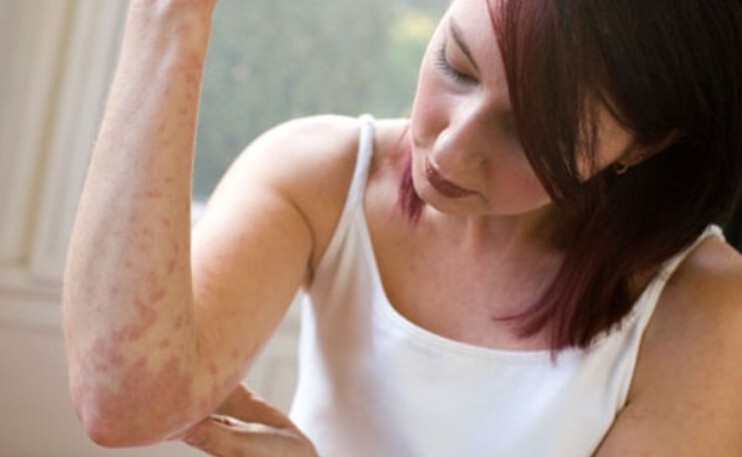
8 Common Types of a Rash
There are various types of rashes, each with its own symptoms. Here are some common types of rashes and their associated symptoms:
1. Contact Dermatitis
This type of rash occurs when your skin comes into contact with an irritant or allergen. Symptoms may include redness, itching, swelling, and blisters.
2. Atopic Dermatitis (Eczema)
It is a chronic condition characterized by dry, itchy, and inflamed skin. Eczema rashes often appear on the face, hands, elbows, and knees. Symptoms can include redness, itching, scaling, and oozing of fluid.
3. Psoriasis
Psoriasis is an autoimmune condition that causes the rapid buildup of skin cells, resulting in thick, silvery scales and red patches. Symptoms may include dry, cracked skin that may bleed, itching, and joint pain in some cases.
4. Heat Rash (Miliaria)
This rash occurs when sweat ducts become blocked, leading to a rash with small, itchy bumps. It is commonly seen in areas prone to sweating, such as the neck, chest, back, and groin.
5. Hives (Urticaria)
Hives are raised, itchy welts that appear suddenly on the skin. They can vary in size and shape and may be accompanied by swelling. Hives are usually caused by allergies, medications, or some underlying health conditions.
6. Viral Exanthem
This type of rash is associated with viral infections, such as measles, chickenpox, or roseola. It typically presents as a widespread rash with red or pink spots, often accompanied by fever or other flu-like symptoms.
7. Fungal Infections
Fungal rashes, such as ringworm or athlete’s foot, can cause the affected skin’s redness, itching, and scaling. Depending on the specific fungal infection, the rash may have well-defined borders and can appear on various body parts.
8. Drug Allergy Rash
Some medications can cause an allergic reaction, resulting in a rash. These rashes can vary in appearance but often present as red, itchy patches or hives. In severe cases, they may be accompanied by swelling or difficulty breathing.
14 Natural Remedies to Get Rid of a Rash on Skin
1. Try Cold Compress or Bath
The cold compress is so simple you likely did not think about this in the beginning. Most of the time, we tend to think about complicated things that we can do to change the situation.
Heat rashes are usually inflamed; using a cold compress or ice wrapped in a clean cloth can reduce the inflammation and make the rashes disappear after some time. Of course, this depends on the type of rash that you have.
Direction:
- Apply ice on a cold towel or place thence on a compressed container. Place the ice pack on the affected area of the skin. Place on the skin for a few minutes. It may be removed from time to time if it becomes uncomfortable. Do this daily until the inflammation of the rashes lessens.
- Alternatively, gently rub frozen watermelon skin on the rash to relieve heat, redness, and itching.
- You can also take a cold bath to relieve the rash symptoms, such as itching or inflammation. Add two tablespoons of sodium bicarbonate or oats to the bath. Soak the affected area for about 30 minutes.
2. Aloe Vera
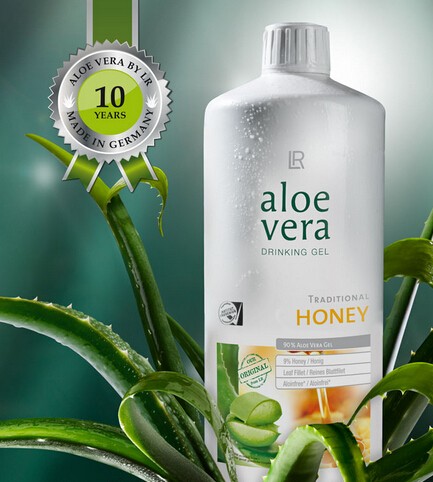
Many people know Aloe Vera can make the hair grow thick. Aloe Vera can also help alleviate the heat on the skin because it has natural healing properties that prevent inflammation. Aloe vera gel can also make the rashes heal faster to reduce discomfort.
Direction:
- Cut the leaf of the Aloe Vera to get the aloe vera gel case you do not have the gel; you can also use Aloe vera e too.
- Place the Aloe vera gel on the affected skin area skin and rub gently for a few minutes.
- Lit leave on for about half an hour.
- Rinse with cold water.
- You can do this twice a day.
Read: Top 10 Home Remedies to Get Rid of Hives Fast
3. Banana Peel
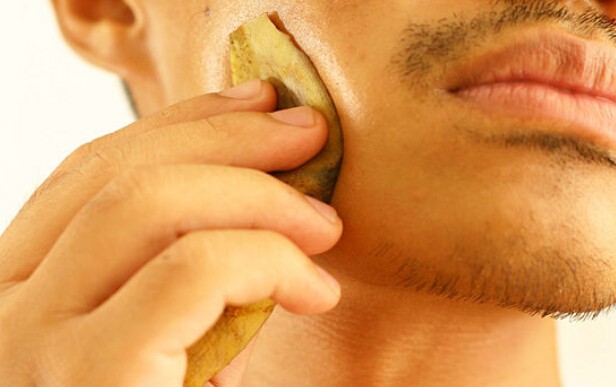
The banana peel is very healthy. The banana peel can be used as a substitute for burgers. You can also use Banana peels to get rid of the rash. The fruit has excellent properties that can help people a lot.
Direction:
- Place the banana peel in the refrigerator first to make it cool.
- Place the banana peel directly on the affected area of the skin.
- Leave it on for about a few minutes.
- Use the banana peel about 3 – 4 times. After using it that much, discard it.
4. Cucumber
The saying “Cool as a cucumber.” did not come out of nowhere. Cucumbers are naturally more cooling on the inside, matching them the perfect thing to place on the face whenever there are problems. You can also use cucumber to get rid of rashes naturally.
Direction:
- Place the cucumber in the refrigerator for about a few hours.
- Place the cucumber slices on the affected area of the skin.
5. Colloidal Oatmeal
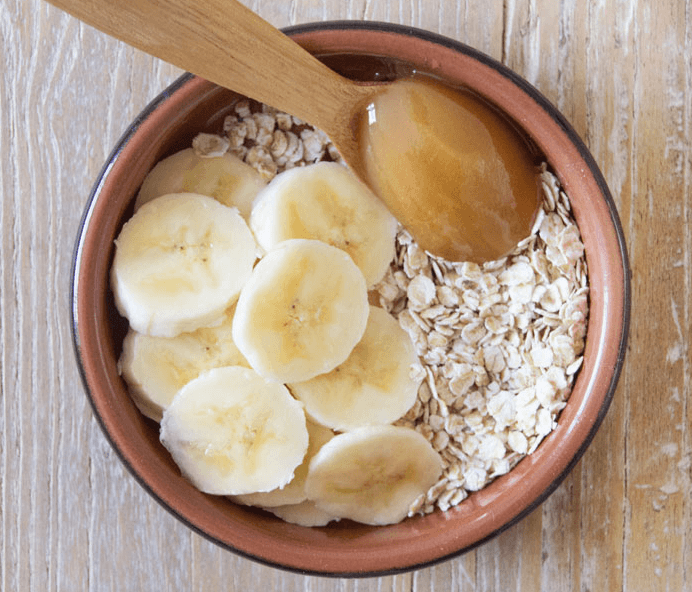
You might think that oatmeal is one product you can eat when you rush in the morning and need to place something on your stomach, or maybe you are thinking about dieting because oatmeal reminds you of it.
Colloidal oatmeal also has natural soothing and anti-inflammatory properties that can help improve skin irritation and redness. Oatmeal is best for allergies, eczema, poison ivy, and chickenpox rashes.
If you do not want to make colloidal oatmeal by yourself, you can find it in some stores that offer non-prescription bath products.
Direction:
- Add a cup of uncooked oatmeal to your bath. Soak in the bathwater for about half an hour. Rinse off again with tap water afterward.
- You can also try an oatmeal bath to get rid of the rash. It is also very effective for eczema and psoriasis. Soak in warm water with two to three cups of colloidal oatmeal for 30 minutes. Do not use hot water, which can worsen your rash itch.
6. Apple Cider Vinegar

Apple cider vinegar is another effective treatment for skin rashes from allergies. It has antiseptic and anti-fungal properties, which can prevent the fungus that causes rashes. It can also help moisturize skin and balance the acid-base level of the skin.
- Add a cotton ball in apple cider vinegar to the problem area.
- Wait for 4-5 minutes, which will help pull the toxins out of the skin.
- Wash it off with warm water.
- Do this 2-3 times a day until your rash fades.
7. Olive oil
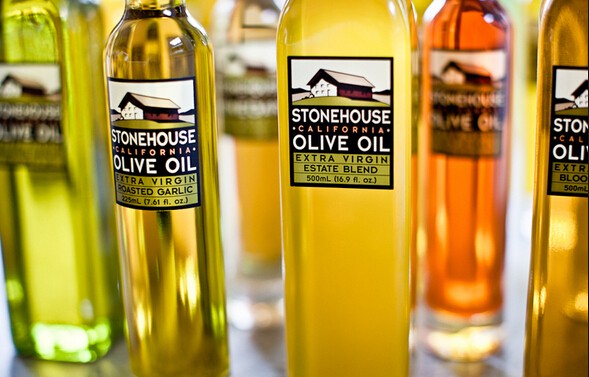
Olive oil is considered an oil that can be used for everything. In addition to the fact that you may have used it for cooking, you can also use it as remedies to eliminate the rash. You can ingest olive oil and do it several times a day. You can also apply it topically on the skin.
Direction:
- Mix clean olive oil with another essential oil like coconut oil.
- Place the oil mixture directly on the skin.
- Rub the oil mixture on the skin for a few minutes before it dries.
8. Try Baking Powder
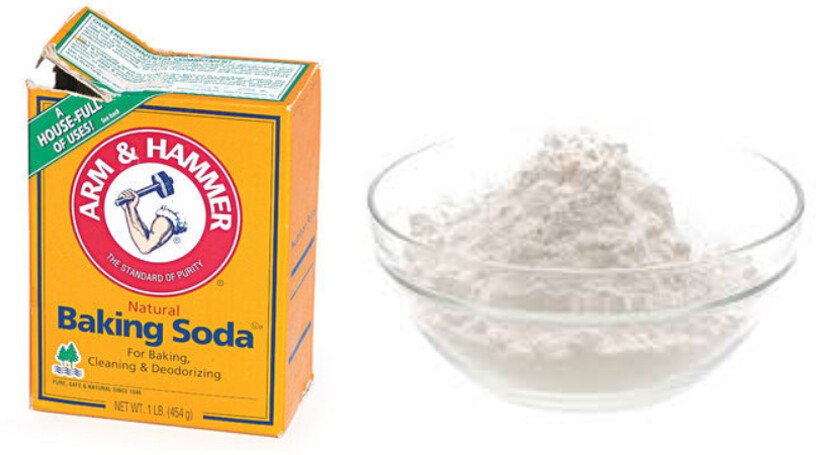
Baking powder can be a home remedy for skin infections because it can help dry out the infected area and improve itchy skin. Using baking powder on the rashes will make the rashes drier and better.
Direction:
- Prepare baking powder and mix it in with a small amount of water.
- Place the baking powder and water mixture in the area afflicted with the rash.
- Leave the mixture to dry.
- Rinse off with cold water after.
Read: 12 Amazing Health Benefits of Baking Soda
9. Witch Hazel
One of the main reasons that witch hazel is so effective against rashes is its excellent astringent that can help further prevent the inflammation of the rashes. This home remedy can help relieve itching, dry out eruptions, and eliminate blisters.
Direction:
- Decide which type of witch hazel will be placed on the skin. Most of the time, the options are leaf extract, liquid, and bark.
- Place the witch hazel directly on the skin. If you use a witch hazel liquid, wait for it to dry.
- When it dries up, rinse it off with cold water.
Read: 16 Wonderful Household Uses for Witch Hazel
10. Neem Leaves
You probably do not know that neem leaves can be beneficial in removing rashes. One of the main reasons it is so helpful is its medicinal properties.
Direction:
- Crush the neem leaves until a paste is formed.
- Place the neem leaves paste directly on the affected area of the skin.
- Remove it after half an hour.
- You can also place fresh neem leaves on the water for bathing.
11. Chamomile Tea Bags

The great thing about Chamomile tea bags is that they contain many anti-inflammatory properties that can help relieve the pain and discomfort brought about by having rashes. Usually, chamomile tea bags can make rashes heal faster.
Direction:
- Place the chamomile tea bags on the skin.
- Could you wait for it to dry?
- Rinse off the leftover tea if you are uncomfortable.
12. Tea Tree Oil
Tea tree oil derived from the tea tree leaves has been used for generations in Australia. It is an effective treatment for many conditions, such as blisters, chickenpox, warts, pimples, cold sores, athlete’s foot, ringworm, scabies, and rashes. It is a common ingredient in many ointments, lotions, and creams.
- Dilute a few drops of tea tree oil with water, and apply it to your affected area after you shower entirely.
- Do not use undiluted tea tree oil, which will irritate your skin and cause redness.
- Do this 2-3 times daily. It will take serval weeks to remove the rash.
- You can also add a few drops of chamomile tea to increase the effect.
- Another option is to add a few drops of tea tree oil to your bath. This will help cover a large area.
13. Try Cornstarch Paste
The refreshing properties of cornstarch help relieve the symptoms of heat sores and rashes.
- Mix the cornstarch with hot water in a small bowl until the paste forms.
- Gently pat dough on the affected area and let work until it is completely dry.
- Remove the mixture with a towel soaked in cold water.
- Make sure not to rub the skin.
- For larger areas, melt a cup of cornstarch in a warm bath and immerse yourself for 20 minutes.
14. Cream or Drugs
There are many over-the-counter medications to help get rid of rashes. Oral antihistamines minimize allergic reactions but may have side effects such as drowsiness. Calamine lotion and hydrocortisone cream can be applied locally to stop the itching of rashes.
- If the lesions are dry, you can apply an unscented cream to moisturize the skin. In some cases (atopic dermatitis, red milia, and diaper rash), 0.5% hydrocortisone cream, available over-the-counter in pharmacies, can relieve symptoms and soften the skin.
- In bacterial infectious diseases (such as impetigo or shingles), you can apply an antibiotic cream sold without a prescription, such as Baciguent.
How to prevent a rash in the future?
To prevent rashes in the future, you can follow these general guidelines:
- Practice Good Hygiene: Keep your skin clean and dry. Take regular showers or baths using mild soap and lukewarm water. After bathing, pat your skin gently with a towel and avoid rubbing vigorously.
- Moisturize: Use a gentle moisturizer regularly to keep your skin hydrated and prevent dryness, which can contribute to rashes. Choose a moisturizer suitable for your skin type and free of harsh chemicals or fragrances.
- Avoid Irritants: Identify and avoid substances that irritate your skin or cause an allergic reaction. This may include certain soaps, detergents, cosmetics, fragrances, or fabrics.
- Protect Your Skin: Use appropriate protective measures when engaging in activities that may irritate your skin. For example, wear gloves when using harsh cleaning chemicals.
- Manage Stress: Stress can exacerbate certain skin conditions, including rashes. Practice stress-management techniques such as exercise, meditation, deep breathing, or engaging in hobbies you enjoy.
- Avoid Overheating: Excessive heat and sweating can lead to rashes, especially heat rashes. Stay cool and well-ventilated, wear lightweight and breathable clothing, and take regular breaks in hot weather.
- Be Mindful of Allergies: If you have known allergies, avoid triggers that can lead to rashes. Avoiding specific foods, environmental allergens, or substances.
- Maintain a Healthy Lifestyle: A healthy lifestyle can improve overall skin health. Stay hydrated, eat a balanced diet rich in nutrients, exercise regularly, and get sufficient sleep to support your skin’s health and resilience.
When to see your doctor?
Here are a few signs that it’s time to see your doctor:
- Severe Symptoms: If your rash is accompanied by severe pain, intense itching, or discomfort that interferes with your daily activities, it’s advisable to seek medical attention.
- Worsening or Spreading: If the rash is spreading rapidly, getting worse, or not improving with home remedies or over-the-counter treatments, it’s recommended to consult a doctor.
- Systemic Symptoms: If you develop additional symptoms along with the rash, such as fever, chills, headache, fatigue, difficulty breathing, or swollen lymph nodes, it may indicate an underlying infection or a more serious condition requiring medical evaluation.
- Duration: If the rash persists for an extended period, typically longer than two weeks, it’s a good idea to have it examined by a healthcare professional.
- Unknown Cause: If you are uncertain about the cause of the rash or if it is recurring or chronic, it’s best to consult a doctor for a proper diagnosis and appropriate treatment.




hi john i have a rash or a cut in a weird place on my body can you help me
Try coconut oil