If you have been feeling dizzy, it can be a frightening experience. Dizziness can cause lightheadedness, disorientation, and a feeling of unsteadiness. Feeling dizzy can also hinder you from doing some things that you want to do.
Fortunately, there are many ways to get rid of dizziness. Whether you are dealing with vertigo, motion sickness, or something else, there are some natural remedies that can help. But first, you should know the common causes of dizziness. By understanding the causes of dizziness, you can find the right solutions to get rid of your dizziness.
Common Causes of Dizziness
1. Anxiety Disorders
Anxiety disorders can cause a variety of physical symptoms, including dizziness. This is due to the body increasing its adrenaline production when anxious, leading to a spike in heart rate, blood pressure, and blood sugar levels.
2. Ear Infections
Ear infections can cause dizziness due to an inflammation of the inner ear, which is responsible for balance. The infection may cause the inner ear to swell. This can lead to vertigo, a condition where a person perceives that their environment is moving or spinning.
3. Hypoglycemia
Hypoglycemia, or low blood sugar, is a condition that can cause dizziness. It is caused when there is too little glucose, or sugar, in the bloodstream.
When this happens, the body does not have enough energy to function properly. As a result, the brain does not receive enough glucose, leading to symptoms such as dizziness, confusion, fatigue, headaches, and sweating.
4. Dehydration
Dehydration can cause dizziness due to a lack of fluids in the body. When the body becomes dehydrated, it is unable to properly regulate its blood pressure. This will lead to a drop in blood pressure that can cause dizziness. Additionally, dehydration can cause electrolyte imbalances, which can also lead to dizziness.
5. Medications
Some medications, such as antibiotics, antidepressants, and blood pressure medications may cause dizziness. People taking these medications may experience a feeling of lightheadedness, vertigo, or fainting. It is important to talk to a doctor if you are taking any medications and experience dizziness.

How to Get Rid of Dizziness with Natural Remedies
1. Sit Down or Lie Down
Sitting down or lying down is an effective way to reduce dizziness. The action of lying down or sitting down helps to reduce blood flow to the head and reduces the pressure that can cause dizziness.
Furthermore, it helps to reduce the amount of blood pooling in the lower extremities, which can lead to dizziness.
- It is important to lie down or sit down in a safe and comfortable place.
- Try to elevate the feet above the level of the heart to help reduce the pressure.
- It is important to remain still or move slowly to avoid sudden movements that can worsen the dizziness.
2. Drink Water
Water is an essential part of a healthy lifestyle and can be used to help with dizziness. Drinking plenty of water helps to keep the body hydrated and can help to reduce dizziness. Dehydration is a common cause of dizziness, and drinking enough fluids can help to combat this.
Drinking a glass of cold water can also help to reduce dizziness. Cold water can help reduce blood flow to the brain and can help to reduce feelings of dizziness. Additionally, cold water can help reduce nausea, which can also be a symptom of dizziness.
- If you are already feeling dizzy, drink water in small sips.
- Take enough water to make your body feel hydrated.
- Make sure that you drink enough water throughout the day. While 8 – 10 glasses are recommended, this may differ from one person to another.
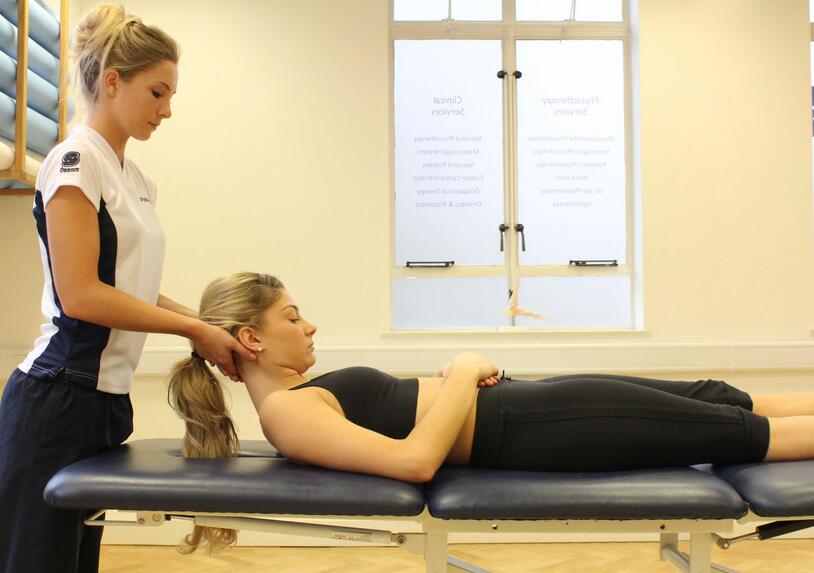
3. Massage
Massage is an effective way to help get rid of dizziness. This therapy can help reduce stress, which is often a trigger for dizziness.
It can also help relax the neck and shoulders, which can help reduce neck pain and muscle tension that can contribute to dizziness. Massage can also help improve circulation, which can help reduce the symptoms of vertigo.
- When receiving massage therapy for dizziness, let your massage therapist know of any specific areas of your body that are causing discomfort. This can help the therapist focus on those areas and help reduce dizziness.
- It is also recommended to drink plenty of water before and after the massage to help flush out toxins.
- Avoid strenuous physical activity after a massage to ensure that the dizziness does not return.
4. Deep Breathing
Deep breathing is an excellent way to get rid of dizziness. When we breathe deeply, we bring more oxygen into our bodies and better oxygenate our cells and organs.
This helps to reduce dizziness, as it increases the oxygen supply to the brain, which can help to reduce lightheadedness feeling.
- Start by inhaling deeply and slowly through your nose.
- Focus on filling your lungs with air and feel your chest rise and expand.
- Once your lungs are full, hold your breath for a few seconds, then exhale through your mouth.
- Repeat this deep breathing technique for several minutes until you feel the dizziness start to disappear.

5. Yogurt
Yogurt is a great way to combat dizziness. The probiotics in yogurt can help restore the balance of good and bad bacteria in the body. This is important for a healthy and balanced digestive system.
Yogurt can also help to improve the body’s ability to absorb vitamins, minerals, and other nutrients, which can help to reduce the symptoms of dizziness.
The calcium in yogurt can help to reduce the risk of vertigo, which is a type of dizziness caused by an inner ear disorder. In addition, adding yogurt to your diet can help to improve your overall health.
- Eat a bowl full of yogurt, especially in the morning.
- To make the yogurt taste better, add some slices of fresh fruit.
- You can also eat yogurt twice a day.
6. Mustard and Salt
These minerals can be used together to help relieve dizziness. Mustard is a condiment made from ground mustard seeds and is rich in minerals, including magnesium, calcium, and zinc.
These minerals can help to increase blood flow and reduce stress, which can cause dizziness. Salt, on the other hand, can help to reduce inflammation and improve circulation, which can also help to reduce dizziness.
- Mix together one tablespoon of mustard, one teaspoon of salt, and one cup of warm water.
- Drink this mixture slowly, and you should start to feel better within a few minutes.
- You can also apply the mixture to the back of your neck or wrists for fast relief.
- Leave it on for about 20 minutes, and then rinse off with warm water.
7. Rest
One of the main reasons people feel dizzy is that they have not gotten enough rest the night before. This may be due to the variety of jobs people have to do or the amount of work each requires.
No matter your reason for not getting enough rest, you must fix your schedule better because you need to get proper rest to avoid getting dizzy.
- Make sure that you will get 6 – 8 hours of sleep. Do remember that it is different from one person to another. Just make sure that you will get the amount of sleep that you need.
- Take breaks in between work. Not only will this refresh your brain, but you will also feel more energized to continue your task after.
8. Basil
Basil is a natural remedy for dizziness. It has been used for centuries to help relieve symptoms of dizziness, vertigo, and nausea.
Basil contains compounds that act as antispasmodics which help to soothe the digestive system and reduce dizziness. It can also help to reduce inflammation in the body, which can be a contributing factor to dizziness.
To use basil for dizziness, start by making an infusion.
- Place a teaspoon of dried basil leaves in a cup of boiling water. Allow the leaves to steep for 10 minutes before straining the infusion.
- Drink the infusion up to three times daily.
- You can also add a teaspoon of honey to the infusion to make the taste more palatable.
How to Get Rid of Dizziness with Therapy?
1. Head position maneuvers
Head position maneuvers are techniques used to reduce dizziness by changing the position of the head to the body.
These maneuvers involve changing the position of the head in specific directions, such as tilting the head to the right or left or turning the head to the right or left. By doing this, the inner ear is stimulated in different ways, which helps to reduce the feeling of dizziness.
To start a head position maneuver, the person should sit or stand comfortably. Then, they should slowly turn their head to the right or left, holding it in that position for 10-15 seconds. They should then turn their head the other way and hold it for the same amount of time. This should be done three to four times in each direction.
Another maneuver that can be done is raising or lowering the head. The person should slowly raise their head high and hold it there for 10-15 seconds, and then lower it and hold it there for 10-15 seconds. This should be done three to four times in each direction.
The last maneuver is nodding the head. The person should slowly nod their head down and hold it there for 10-15 seconds, and then raise it and hold it there for 10-15 seconds. This should be done three to four times in each direction.
These head position maneuvers can help reduce or eliminate the feeling of dizziness. It is important to remember to do them slowly, as sudden movements can cause dizziness to worsen.
2. Balance therapy
Balance therapy is a type of physical therapy that focuses on strengthening the inner ear and other parts of the body that are involved in balance. It can help a person with dizziness by helping them increase their sense of stability and coordination.
Balance therapy begins with an assessment of the individual’s balance and coordination. The therapist will then design a program that focuses on the specific needs of the individual.
This may include specific exercises that help strengthen the inner ear, such as head rolls and balance beams. Other activities, such as walking on uneven surfaces, can also help to improve balance.
The therapist may also use balance boards and other devices to help the person with dizziness improve their balance. These devices can help to improve the person’s coordination and balance.
3. Psychotherapy
Psychotherapy is a type of treatment that helps individuals to better understand and manage their mental health. Through psychotherapy, individuals can learn to better understand the root causes of their dizziness and develop strategies to overcome them.
In addition, psychotherapy can help individuals to better manage stress and other emotions that can contribute to dizziness. Relaxation techniques such as mindfulness or deep breathing can be taught to help individuals to cope with anxiety and to reduce stress.
How to Prevent Dizziness in the Future?
- Make sure you’re eating a balanced diet. Eating lots of fruits, vegetables, lean proteins, and whole grains will help keep your blood sugar levels stable.
- Make sure you’re staying hydrated. Drinking enough water throughout the day is important for keeping your body functioning properly and avoiding dehydration.
- Try to get enough sleep each night. Aim for 7-8 hours per night to help keep your body balanced.
- Avoid alcohol and drugs, as these can cause dizziness. If you must drink alcohol or use drugs, ensure you do so in moderation.
- Avoid hot or crowded places. Staying in cooler areas and avoiding large crowds may help you avoid feeling dizzy.
- If you’re feeling dizzy, try lying in a quiet area and resting until the feeling passes. If it persists, see a doctor quickly.