
Stinky shoes can be extremely inconvenient. They make your feet smelly, and altogether you feel uncomfortable and dirty. Shoe odor happens when sweat and bacteria mix together to create an unpleasant smell. How to get rid of shoe odor quickly?
The best way to prevent shoe odor is to make sure your shoes are clean and dry before you put them on. You can also try a shoe spray or an anti-odor powder in your shoes to keep them fresh. If you already have shoe odor, you can try airing your shoes out or putting them in the freezer overnight. You can also try a shoe deodorizer or vinegar if you have shoe odor that is especially bad.
In addition, you need to do is wash the pair frequently, but sometimes you need to put in some extra effort to remove shoe odor fast. This article discusses 10 simple ways to get rid of shoe odor at home.
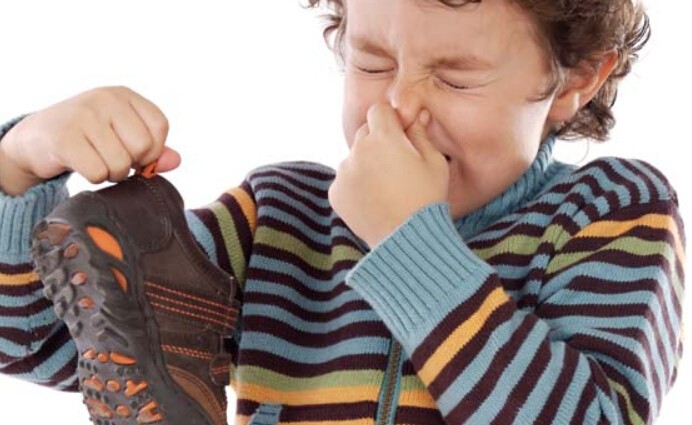
Why Your Shoes Smell Bad?
There can be several reasons why your shoes smell so bad, and sometimes they may have nothing to do with the hygiene of your feet.
Not Enough Ventilation
Your feet need to breathe in all kinds of weather. Unless they access clean and fresh air, they become smelly over time. Materials such as leather and suede capture sweat as they do not have the pores to ventilate it.
If you know that you will engage in continuous physical activity, you should go for shoes that have mesh or cotton that will help to keep the airflow stable within the shoes.
Frequent Usage
There is nothing wrong with having a favorite pair of shoes that you want to wear every day of your life. However, it would help if you were careful because wearing the same pair of shoes each day can cause them to become very stinky. They tend to collect a lot of dust and grime, which emanate a horrible smell.
Your feet will become smelly when the sweat mixes with the dirt and sinks into your shoes. Your shoes need some breathing time so that the sweat can dry down. If you still want to wear your favorite pair of shoes daily, you should at least wash them daily.
Dirty Feet
One of the main reasons you may end up with smelly shoes is that you have dirty feet. To begin with, you should take care of your feet every day.
Apart from washing your feet, you should also make a habit of scrubbing them frequently so that they are clean and dry. This will help you avoid any smell when you wear closed shoes for a long period.
Fungus
Any fungus-like Athlete’s foot fungus, can cause your feet to become smelly because of the infection. As a result, your shoes become stinky. You can use any over-the-counter treatment cream to restore your foot’s health.
Unwashed Shoes
Keeping your shoes dirty and unwashed over extended periods is your biggest mistake. You need to understand that shoes, like all other accessories, must be taken care of to retain their original look and feel.
After any vigorous activity, you should make it a point to wash your shoes as thoroughly as possible so that the insides can remain fresh. If you want to go the extra mile, sprinkle some baking soda into your shoes, so they get naturally deodorized.
Improper Washing Techniques
Sometimes, just doing a task is not enough. You have to do it the right way to enjoy the benefits. Dipping your shoes in a tub of water and calling it a day will not help you get rid of smelly shoes.
The washing techniques differ based on the type of shoe you are dealing with. You can use a “gentle” washing solution to clean the dirt or use detergent to scrub them down. Please do not wear the shoes until they are completely dry; otherwise, you will face a mold problem that further aggravates your problems.
Improper Accessories
Slipping into your shoes might seem like the easiest thing in the world, but you also need to pay attention to what kinds of socks you choose to wear with a particular style of footwear.
Your socks should be able to absorb the sweat properly so that the droplets do not sink into the material of the shoe. If you leave out socks altogether, you risk having sweaty and stinky shoes.
How to Get Rid of Shoe Odor Fast
Once your shoes have become stinky, the onus is on you to restore them to their original condition. If you are worried about how you will achieve that feat, do not worry because there are some natural DIY methods of removing shoe odor that will prove to be very useful in these circumstances.
You can choose either the non-chemical method or the chemical method, both of which are pretty easy.
Without chemicals:
- Begin by looking for the cause of the smelly shoes. Examine your shoes properly to find out what is causing the odor. This will help you figure out which method will work the best. If you notice damp or damaged insoles, you can take them out and dry them, so they become fresh again. You can also invest in insoles that can prohibit bacterial growth.
- Dry out the shoes with the help of a heater. You can also put the shoes out in the Sun to dry. If you want the shoes to dry fast, you can take out the laces and lift the shoes’ tongues. Dry shoes are not susceptible to bacterial growth and hence do not fall prey to odor.
- Use cedarwood insoles to ensure that your shoes remain smell-free. Cedarwood has antifungal properties that hinder the growth of odors inside your shoes. Moreover, cedar has a fresh, light, and crisp smell that can quell the effects of a stinky odor.
- Before you put in the cedarwood insoles, you can take an extra step. Freezing your shoes can help kill the bacteria in the shoes. This allows the odor to disappear as well. In the morning, you can pack your smelly shoes in a plastic bag and keep them in the fridge overnight to see results, although temporary.
- You can also use sheets soaked in fabric softener or conditioner to make your shoes fresh and clean. All you need to do is ball up one or two of these sheets and insert them into your shoes. Make sure that the sheets are semi-dry when you use them. The sheets will impart a pleasant smell to the shoes and also wick away the excess moisture in the shoes, leaving you with wearable shoes.
- If you want to take extra precautions, you can choose to steam your shoes with the help of a steam machine. Your washer or dryer should also have a steam feature. Hot steam can help kill bacteria and fungi that are responsible for odor. If the idea of damp shoes does not bother you, then you can give steaming a shot because it can give you great results.
- Once you have completed all the above steps, you are ready to wear the shoes the next day. Place a piece of fresh orange, lemon, or lime peel inside the shoes overnight. All kinds of fresh citrus peels have a great refreshing smell as they are rich in essential oils. You can remove them in the morning before you wear them.
- In the morning, if you want your shoes to be extra fragrant and fresh, you can directly put a few drops of lavender oil inside your shoes. Not only does the essential oil have antibacterial properties, but it can also overcome the stinky odor completely.
With chemicals:
- You can try using antifungal foot powder or antibacterial spray to restore the freshness of your shoes. They will cure any infection in your feet that is causing the stink to develop. If you are into essential oils, mix a few drops of tea tree oil into a lotion and apply it to the affected area. Tea tree oil has excellent antifungal properties.
- If you are not suffering from some infection, the logical conclusion is that your shoes have become extremely dirty and need a heavy dose of cleaning. Take out the soles and laces. Place the shoes in a pillow cushion and turn it in a water cycle at around 40 to 50 degrees Fahrenheit. Repeat the process and let the shoes air-dry.
- As mentioned before, baking soda is a formidable enemy of stink. You can put a fair dose of baking soda inside your shoes and leave them overnight. The powder will absorb the odor overnight. If you want the baking soda to have a greater impact, mix it with zinc oxide powder to create an antifungal powder that eliminates odor. The mixture has both deodorizing and antibacterial properties. Make sure you drain out the mixture thoroughly before wearing the shoes.
- Try to use store-bought odor removers if your shoes are already smelly. They contain certain bacteria and enzymes which eat away the odor, hence eliminating it.
- If the store-bought removers do not do as great a job as you want, you can take matters into your hands. Rubbing alcohol can help remove the odor from the shoes if you swab the shoes with a cotton ball. The odor will dry out, and you can use the shoes again without any problem. Not only is rubbing alcohol an effective antiseptic, but it also helps other liquids evaporate quickly when mixed with them.
- You might not feel like using fresh cat litter to clean your shoes, as the idea is oxymoronic. However, cat litter works wonders when restoring freshness to your shoes because of its excellent deodorizing properties. Fill a sock with fresh, unused kitty litter and knot it. Stuff this into the shoes overnight to see changes.
- You can also use a mix of water and vinegar to eliminate the unwanted stink. Spray the shoes with a mixture of 50% water and 50% distilled vinegar. Spritz the liquid mixture into the lining and sole. You should let it air dry for at least half an hour. If you are in a hurry, you can always use a dryer.
The above techniques will help you tackle the problem of smelly shoes with finesse. You will no longer have to worry about your stinky shoes and the effect they will have inside your house.
Best Products to Remove Shoe Odour Fast
Instead of DIY-ing your way out of the mess of smelly shoes, you can buy a product for shoe odor removal. The following are your best options.

This odor-removing spray comes with a 100% guarantee of making your shoes smell fresh and clean. The company believes you will fall in love with this product.
All the ingredients in the spray are natural and safe for regular use. It contains healthy essential oils that can combat even the toughest shoe odors.
It works well and can also double up as a general odor eliminator inside your house. The product is made very strong, and you should be careful not to use it too much. You have multiple choices regarding what kind of fragrance you would like.
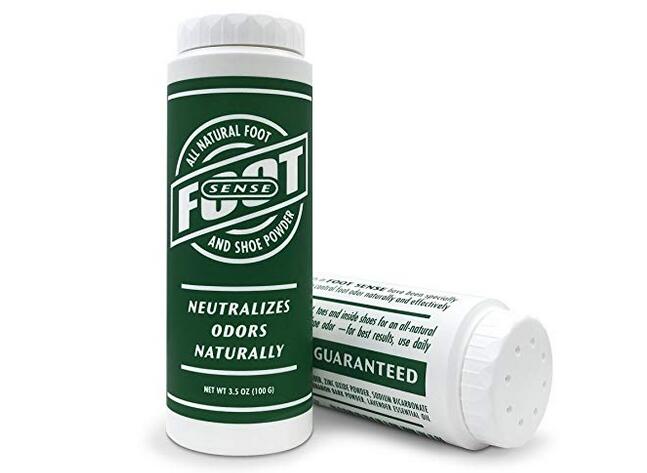
If you want your odor gone quickly, then you can use this effective powder which will be able to remove shoe odor using natural methods. This power neutralizes stinky shoes and also destroys odor-creating bacteria.
This product is extremely affordable, one of its main selling points. It contains natural Zinc Oxide and other botanical ingredients, all of which are safe for your feet. The effect of this treatment can last up to half a year at a time.
However, if you want proper odor control, you can use it 2-3 times a month. The best part is that this product can be used with all kinds of shoes and athletic gear.
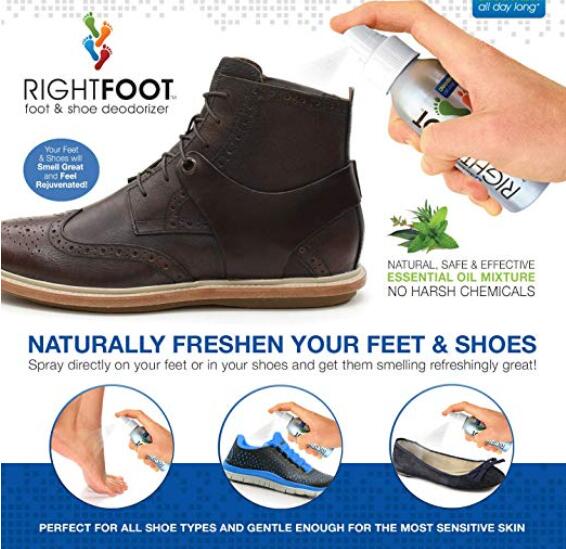
This natural spray will do a tremendous job of removing odor from your shoes. A concoction of pure antibacterial essential oils will help remove the most resilient foot and shoe odor without any exception.
The spray contains the power of peppermint, tea tree oil, eucalyptus, and thyme. Even a little spritz can go a long way. You can potentially use this bottle for hundreds of sprays.
While the spray is powerful, it is safe and gentle for your feet. You can directly spray it into your shoes to get that refreshing effect.
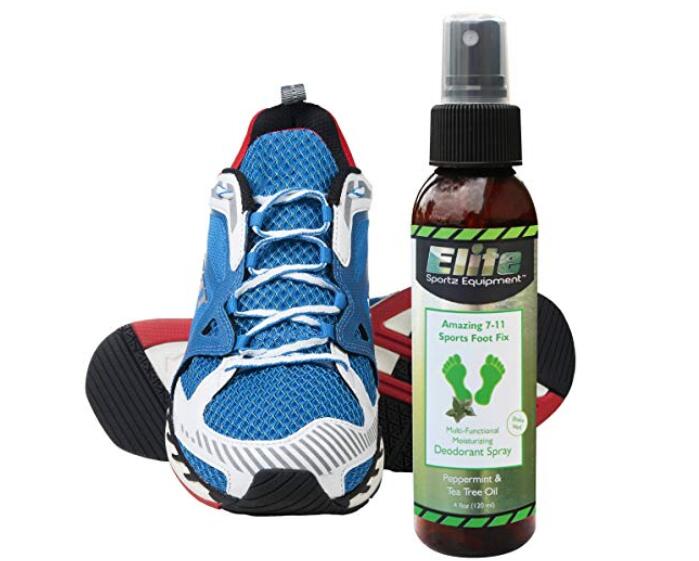
This product serves multiple purposes: shoe deodorizer, foot spray, and moisturizer. It can control odors and prevent your feet from becoming smelly.
Once you start using this product, you will notice that your feet are becoming healthier. Formulated in the United States, it contains 11 helpful herbs and 7 pure essential oils. It can both moisturize and repair dry feet. As soon as you spray the product, you will feel an icy sensation.
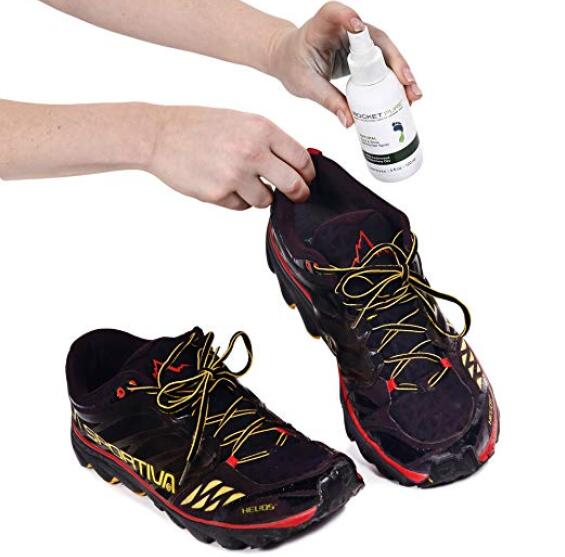
With this product, you can fight against shoe odor with renewed enthusiasm. It fights the bacteria, which causes shoe odor, and then freshens the feet and the shoes.
The spray deodorizes the shoe so that they smell amazing. If you use this product inside your shoes, your shoes will feel fresh all day. This odor eliminator spray will work for anybody and everybody. This product is perfectly safe for you, made with natural ingredients and no toxic chemicals.
We have tried to prepare a thorough guide to help you deal with the problem of shoe odor. We hope that one or more of the other methods work for you.

Doesn’t UV light kill the bacteria found in shoes?
Enough UV light will kill all bacteria, but some of them are more resistant to it than others.
What kind of method avoid stink issue in natural water.
We already apply sand & carbon filter, also we use UF 0.01micron & UV system.
Tq
If your neighbors also experience the same type of odor problem you should contact your water provider.
I wear socks and still my shoe stinks..when someone else uses my shoes,it doesn’t stink
You can sprinkle ODOR EATERS powder on the inside of the shoe and letting the powder sit there for at least a day.
Wait do we put baking soda inside or on top of shoes
Sprinkle it in and shake it around until it coats the entire inside of the shoes.
What if you bought the shoe and it smells bad already. I ordered shoes , and they came yesterday -and it smelled strongly of rubber and tar. is that bacteria in the shoe or is it the materiel its made out of?
Should be the materiel its made out of.
I was returning from the bank last Sunday and was caught out by rain. Now my shoes smell bad. Can I apply these methods as well? Or is there another for rain?
Thank you John for this article – it shows that there are fare more solutions than we may think at first. Besides the remedies listed above, I would recommand you to use cedar wood insoles if you don’t have much time to care about your feet.
Yes you can apply these methods as well.