
The left side of the human body contains different types of body parts including the left side chest, left side abdomen, left side neck, and much more. Any of the left side organs can feel pain at any time due to different kinds of reasons. The most common type of pain in the left side is chest pain and abdomen pain. Depending on the area and causes of the pain, treatment can vary.
What organs are on the left side of the body
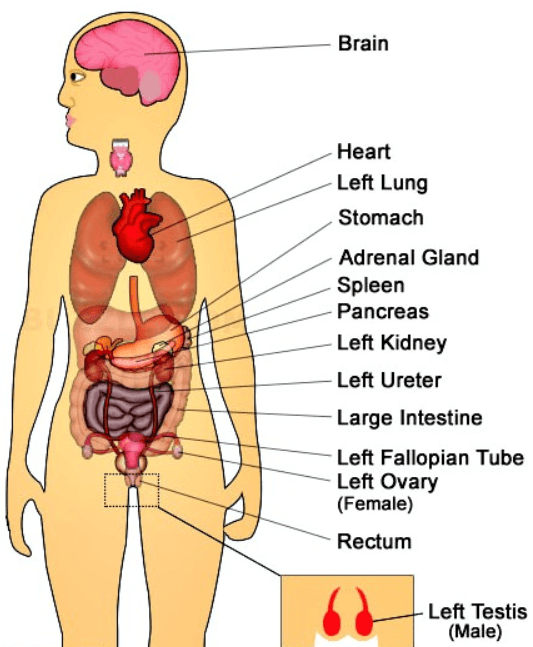
Organs on the Left Side of the Body
Some organs are considered to be mirrored because they have their partner located on the right side of the body. Organs that are ‘mirrored‘ are the following:
- Lungs – The lungs are in charge of taking in oxygen and releasing carbon dioxide.
- Kidneys – The kidneys are in charge of cleansing the blood and releasing urine containing toxins.
- Ureter – These tubes are in charge of bringing the urine from the kidneys to the bladder. Since people have two kidneys, it is only fitting that there are also two ureters.
- Fallopian Tubes – This is only applicable to females.
- Ovaries – Again, only women have ovaries.
- Testes – This is an organ that is only applicable to men.
- Adrenal Glands – The adrenal glands are attached to the top of each kidney. It is in charge of releasing various hormones that affect the body’s different parts.
Aside from these, some organs can be found on the left side of the body, such as the following:
- Heart – This is a vital part of the cardiovascular system because it is in charge of pumping blood throughout the body. The moment that the heart stops beating, it is only a matter of time before the person dies because if there is not enough blood to sustain the system, the body’s organs will also stop responding.
- Stomach – This is the area wherein the food that we eat goes to. Together with the rest of the digestive system, this is in charge of breaking down the food and getting the vital nutrients that the body needs most for energy.
- Spleen – This is a part of the abdomen that is mainly in charge of the production of cells. It also removes cells that are not useful anymore. It is considered a part of the immune system so having a weak spleen may mean a weak immune system.
- Pancreas – The pancreas is considered to be a gland, and it is located behind the stomach. What it does is release digestive enzymes into the duodenum.
- Large Intestine – The large intestine is made out of various organs, namely the cecum, colon, and rectum. This is in charge of getting water from the food products that are received by the body. It is also in charge of storing feces before they are released from the body.
Common Causes of Pain on the Left Side
- Food poisoning
- Bowel cancer
- Crohn’s disease
- Ectopic pregnancy
- Bowel obstruction
- Irritable bowel syndrome
- Abdominal aortic aneurysm
- Ovarian cyst
- Trapped wind
- Rectus sheath hematoma
- Constipation
- Kidney stones
- Hernia
- Psoas abscess
- Endometriosis
- Pyelonephritis (kidney infection)
Different Types of Pain on Left Side, Causes and Treatment
1. Chest Pain on Left Side

The principal thing you may consider is a heart attack when you experience left-side chest pain. However, you ought to realize that it has numerous conceivable reasons. Actually, almost a quarter of the U.S. populace encounters left-side chest pain that is not identified with the heart.
Left-side chest pain might likewise be brought about by issues in your lungs, throat, muscles, ribs, or nerves, for instance. Some of these conditions are not kidding and life undermining. Others are most certainly not. If you have unexplained left-side chest pain, the best way to know its cause is to have a specialist assess you.
Cause of Left Side Chest Pain
- Coronary Artery Disease: A blockage of the heart veins that diminishes the bloodstream and oxygen to the heart muscle itself. This can bring about torment known as angina. It’s a side effect of coronary illness, yet usually does not bring about lasting harm to the heart. It is, however, a sign that you eventually are a contender for a heart assault. This pain may spread to your arm, shoulder, jaw, or back. It may feel like a weight or a press sensation. Angina can be activated by activity, enthusiasm, or enthusiastic misery and is assuaged by rest.
- Esophageal touchiness: This happens when the throat turns out to be highly agonizing at the littlest change in weight or presentation to corrosive. The reason for the sensitivity is obscure.
- Pleuritis: Otherwise called pleurisy, this condition is an irritation or disturbance of the covering of the lungs and the left side chest area. You likely feel sharp torment when inhaling, hacking, or sniffling. The most well-known reasons for pleuritic pain on the left side are bacterial or viral infections, aspiratory embolism, and pneumothorax.
- Stress: Anxiety can likewise prompt chest pain which may show itself on the left side. You may feel snugness in the left side chest, which turns out to be more regrettable or fomented amid times of great anxiety. Poor way-of-life decisions can likewise prompt conditions that put excessive weight on the heart or reason the veins to fix, bringing about agony in the left half of your chest.
- Physical wounds: Physical wounds to the left can likewise prompt agony on the left side, which can be uncomfortable. Straining a muscle, getting a vast wound, or squeezing a nerve can bring about the left side to wind up sore.
Home Treatment
- Take a rest. Avoid any movement that may be bringing about your torment or soreness.
- Ice will lessen torment and swelling. Apply an ice or cold pack quickly to anticipate or minimize swelling. Apply the ice or frosty pack for 10 to 20 minutes, three or more times each day. Following 48 to 72 hours, apply warmth to the affected territory if the swelling is gone.
- Try not to wrap or tape your ribs for the backing. This may make you take little breaths, expanding your danger of creating pneumonia or fractional lung breakdown.
- Pain relief creams that you put on the skin may calm sore muscles.
- Gentle stretching and back rub may help you improve quicker. Extend gradually to the point just before the inconvenience starts, then hold the stretch for 30 to 60 seconds. Do this 3 to 4 times each day. It is beneficial for the utilization of warmth.
2. Abdomen Pain on Left Side
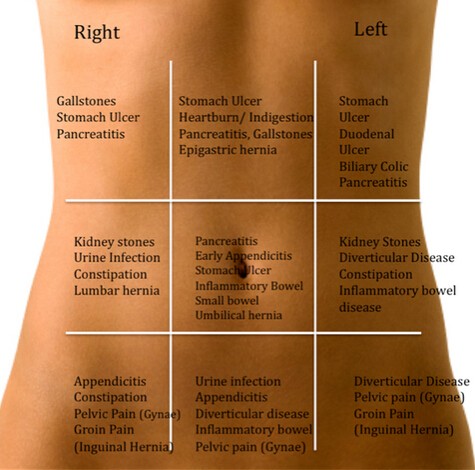
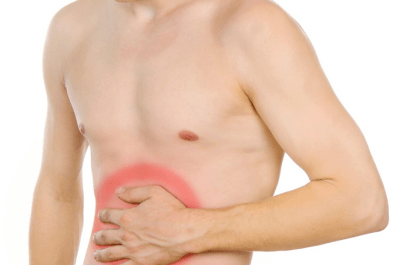
The left side stomach zone is inclined to different sorts of pain because the digestive framework and its numerous supporting organs are situated inside of this district. These pains can influence the whole locale or concentrate on specific territories of the stomach.
Left-side stomach pain can be activated for various reasons. Symptoms are very common in ladies and the elderly. A portion of the common reasons that cause torment in this area is the left ovarian maladies or issues with left fallopian tubes. Crohn’s infection, bowel disorder, left ectopic pregnancy, diverticulitis, and left ulcerative colitis, are the other more normal reasons for the pain in the left side abdomen.
Causes of Pain in Left Side Abdomen
- Gastric Volvulus: This is the point at which the stomach contorts itself. This can happen when one side flips onto the other either along the pivot (pivotal volvulus) or when the upper part flips down (mesenteron-hub volvulus). One individual may encounter a mix of both sorts of issues. It is uncommon, however more basic in grown-ups than in youngsters.
- Rapped Wind: A man experiencing this would feel, for the most part solid; however experiences issues like stomach agony, bloatedness, and uproarious gut clamors. The best cure for this kind of torment is to pass the wind. The caught wind stands out amongst the most widely recognized reasons for left-side stomach torment.
- Stomach Aortic Aneurysm: Aorta is the vein conveying blood from the heart to other body parts. If this is enlarged and bursts or breaks, it is called an Abdominal Aortic Aneurysm. This, by and large, causes serious agony in the midrib and even the back.
- Kidney Stones: Kidney stones in the left half of the stomach area can bring about the most grounded agony ever felt. It can likewise bring about regurgitating and spreading of torment from the loin to the crotch. When there is a development of minerals, a stone can shape down the kidney or in the ureter. The agony may be in the upper left mid-region when the stone is around.
- Food Poisoning: It will, for the most part, cause retching and may additionally incorporate a fever. The torment may happen anywhere within one to 48 hours after devouring the sustenance. It can occur from the synthetic pollution of nourishment or low-quality sustenance.
- Pancreatic Cancer: Somebody experiencing pancreatic tumors will likewise experience weight reduction, change in gut propensities, jaundice, pale stools, and an absence of voracity. When a disease is influencing the tail, head, or assemblage of the pancreas, there will be stomach torment.
Home Treatment
Abdominal pain left side without fever, retching, vaginal dying, going out, midsection torment, or different genuine indications regularly improves without unique treatment.
- If the pain perseveres or the individual accepts the agony may speak to a significant issue, they ought to see social insurance proficiently.
- A heating cushion or absorbing a tub of warm water may facilitate the individual’s agony.
- Chamomile can help reduce the pain in the left side abdomen. It works as an anti-inflammatory. One to two cups of tea can give you quick relief.
- Rice water is precisely what it seems like the water left-over after you cook rice. It acts as a demulcent, a substance that soothes aggravation by shaping a kind of calming hindrance more than a layer, for this situation, the covering of your stomach.
- Over-the-counter acid neutralizers, for example, Tums, Maalox, or Pepto-Bismol, can decrease a few sorts of stomach torment. Enacted charcoal cases additionally may offer assistance.
3. Neck Pain on Left Side
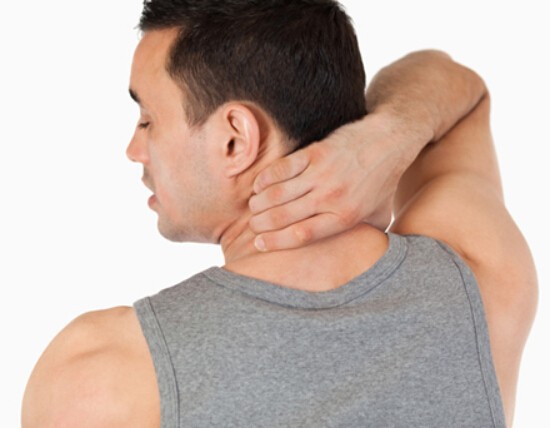
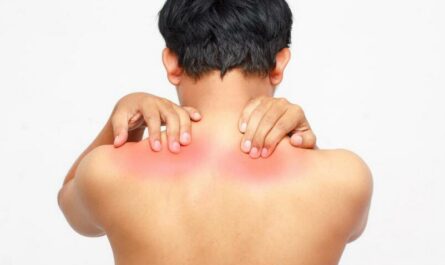
Many people feel an undeniable irritation in their neck, and various reasons can prompt this inconvenience. Your neck comprises seven little vertebrae that range from the base of the skull to the upper middle, which is intended to give backing to your channel and give a scope of movement to your head. This adaptability is useful. However, it can leave you susceptible to a major or minor injury. If the left half of the neck is influenced by an unfriendly condition, these muscles can start to the pain you.
Causes of Pain in Left Side Neck
Some conditions can cause temporary discomfort to the left side of the neck.
- Muscle Tension: It is the common cause of neck pain. Overusing the neck, sleeping in a mistaken position, or muscle strain can wind up numb and firm or cause severe pain.
- Poor Posture: Sitting with your neck spine twisted can harm your core supportive network and prompt neck pain.
- Whiplash Injury: Quick speeding up and decelerating the body can harm the spine. This can bring about the left half of the neck to wind up firm alongside arm and shoulder torment, migraine, weakness, back agony, dizziness, and aggravated rest.
- Stingers and Burners Injury: Sports wounds from an impact can cause nerve roots to become compressed. This can bring a stinging, blazing, or squeezing sensation on the neck, which can continue for quite a long time or days.
- Squeezed Nerve: A squeezed nerve because of bone goads, spinal stenosis, or a herniated plate can bring about agonytransmittedt down the neck and into the left shoulder and arm alongside shortcomings or deadness.
Home Treatment
- Sleeping on firm bedding, taking muscle relaxants or agony executioners, enhancing your sitting stance, decreasing stretch, and having a restorative back rub can help to reduce this distress.
- Trying out holding the head in arrangement with the body can take a weight off your left side to ease inconveniences.
- The sort of treatment you require will differ because of the injury. In compelling cases, it might be essential to wear a cervical neckline to avoid further damage; however, the immobilization that is inescapable for this situation can expand solidness in the neck.
- Mitigating drugs can diminish swelling that may be influencing these nerves. Bolster support, or non-intrusive treatment might likewise be fundamental. If the harm is severe, surgery may be obliged to return sensation to this region.
- Use an ice pack for 10 to 15 minutes, for 2 to 3 hours.
- Anti-inflammatory medicines, cervical collars, chiropractic manipulation, workout, and hot and excellent treatment help oversee torment.
4. Back Pain on Left Side
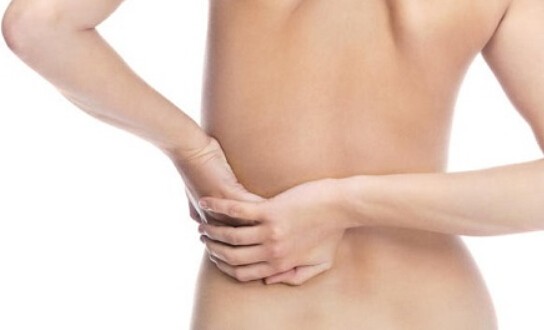
Back pain in the left side is a typical and almost certain wonder. About sixty percent of grown-ups encounter a scene of extreme back agony eventually in their lifetime. Left-sided back pain is more normal than right-sided back agony. Symptoms of left-sided back torment incorporate a dull or hurting agony regularly punctuated by times of fast increment in intensity.
The agony can go down the hip and into the leg. Some note an insensible or icy sensation in the leg or foot, while others describe a hot-poker feeling. Pharmaceutical products can help to manage the pain, yet ask your specialist for a referral to a back pain specialist.
Causes of Pain on the Left Side Back
- Pregnancy: Back pain, especially on the left side, is widespread in pregnancy and happens for a few reasons. As the child grows, the uterus can pack delicate torment structures, including nerves. It is not exceptional for pregnant patients to grumble in agony going down the cheek and leg because of the sciatic nerve pressure. Hormonal changes bring about softening ligaments, which puts extra strain on the pelvic and lower back ligaments. The excess weight of the developing child and mother aggravates the issue.
- Kidney Infection: Kidney diseases can cause left-side back pain. For the most part, the disease begins in the bladder and goes up to the kidneys, causing swelling, aggravation, and pain. Fever and sickness can likewise oblige kidney contamination. The back pain can be dull or severe and is situated in the flank zone along the spine or the hip. The torment is awful with the development or palpation of the region.
Home Treatment
- Spending a couple of evenings on the floor with a pad underneath your feet can help your back, regardless of the possibility that it may be a little trickier to stay sound sleeping. If you’re a side sleeper, putting a cushion between your knees can help by permitting your muscles to unwind more. In case you’re a stomach sleeper, stop it.
- Delicately rubbing a sore or strained muscle is among the best ways to disengage and ease torment. On the other hand, not everybody can manage the cost of an individual masseuse when back agony kicks in.
- There are a lot of agony rubs as well as ointment on the racks. A few measures incorporate Icy Hot or Tiger Balm. The viability of these solutions can change from client to client, so run with what you feel is best for you and suits your needs. Some common mood killers with these salves are the odor and trouble putting it all alone back.
- In case you’re encountering some general back torment, filling the bathtub with warm water and handfuls of Epsom salt can work wonders. Modest and simple to discover, Epsom salt works through the skin and into sore muscles. Water temperature is critical, as high temp water can bring about muscle swelling, and cold water is good. An included advantage of Epsom salt is that it is extraordinary for your skin too.
Bottom Line:
You can also experience leg, arm, and head pain on the left side. Different types of reasons are responsible for all these left-side pain. Home treatment can provide comfort for a short time; however, you need to talk to your doctor as pain in the left side can indicate some serious diseases.
Great Information, thank you.
Very informational more information than I thought
I had severe pain for some time on my right side under rib cage and they
discovered 5 blood clots in lung. This isn’t even address here a a cause for
pain on these articles. May need to update or look into those possibilities.
Great Information, thank you.
You are welcome
Great! Thank you.
My pain is worse when I lay down. Was yours
Superb,great thanks for the information.
Well, yeh I have one thing after another with leftside aches and pains. For me to go on site to see what’s up, it means I must be aching quite a bit. I have been paying attention to humidity, rain and arthritis and I think their is something to it. I go to the gym everyday just about and I struggle some days to and fro. Right now my neck, fingers/middle, leg, knee, toes are stiff so I flex them, stretch them, see an orthologist weekly/just started that, bought a foam to roll back and forth on. I fell 3 years ago out of the bed and landed on my leg and that is what started my left scenario but you would never know I had any pain when I am on the equipment at the gym, walking slowly, dry day it seem to not bother me as much so the struggle to maintain a leftside is ongoing. I am 681/2 but I’ve been working out for 20 years, 2 stents/2007, levorstetatin/little episodes yearly (1) where I spaz out/ 1/2 of that daily, atorvastatin/1/2, 325 mg./aspirin. Iva C.
Very educative, how I wish you can help me with the steps on how I should be diagnosed with my everyday, left sided lower abdominal pain,and what type of scan and laboratory test I should go for to buttress my actual disease.
Thanks and best regard.
Thanks for the helpful information.
Very thorough article. Thank you!
great information. very understandable.
Excellent package God blessed you
Try sitting up when you sleep. It can sometimes help. I am a nurse turst me me it hurts like heck!!!!!!!!!
Hello, all is going fine here and ofcourse every one is sharing information, that’s truly excellent, keep up writing.
Awhhrd hjjuf. Jku