
Baking soda and apple cider vinegar have been used in many other beauty and health remedies, making these two must-haves in everyone’s homes. These two ingredients are easy to find and inexpensive. They are commonly used to wash the hair or clean the house. In addition, they can also prevent many types of illnesses while helping you maintain your ideal weight.
Apple cider vinegar alone can boost the body’s metabolism and aid in weight loss. Apple cider vinegar can help lower glucose by up to 20 percent when consumed before a high-carbohydrate meal, according to the American Diabetes Association. This remedy is also effective for diabetes and obesity.
Baking soda helps in relieving heartburn, neutralizes stomach acid, and more. The combination of apple cider vinegar and baking soda offers miraculous benefits. This article discusses the fantastic health benefits of apple cider vinegar mixed with baking soda.
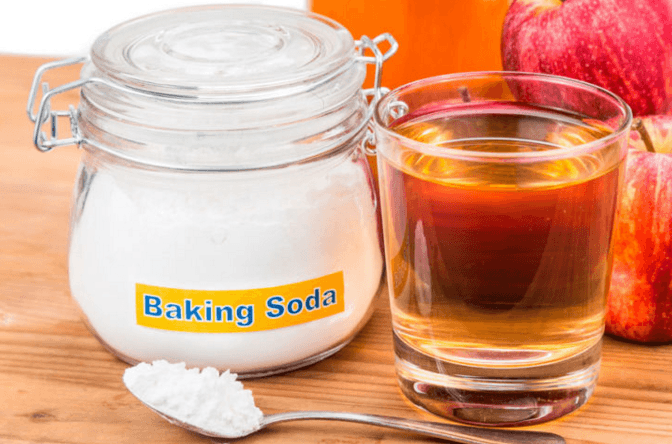
Why Combine Apple Cider Vinegar and Baking Soda?
Baking soda and ACV have opposite pH, which means they are both alkaline and acidic. This allows you to drink the mixture comfortably without worrying that the tonic will harm your health and teeth. You will be able to get all of its properties without the risk of acidifying your system.
The mixture contains enzymes, essential fatty acids, vitamins A and B, and minerals like calcium, potassium, zinc, iron, phosphorous, sulfur, silicon, and magnesium. The enzymes and nutrients in the mix will boost your digestive process and improve your overall health.
By alkalizing your body with this drink, you can prevent or reduce symptoms of numerous health issues that thrive in an acidic body.
Health Benefits of Apple Cider Vinegar and Baking Soda Drink
Here are the benefits you can enjoy from drinking apple cider vinegar mixed with baking soda.
#1. Improves Digestion

It is vital for people struggling with GERD, heartburn, acid reflux, and indigestion to enhance the digestive process. This tonic is ideal for such issues as it is packed with enzymes and other essential nutrients that can improve your digestion.
Consuming the mixture 30 minutes before you eat can also prevent indigestion by increasing your stomach acid. Without enough stomach acid, foods are not digested completely, and nutrients are not appropriately assimilated.
This tonic will improve nutrient absorption of vitamins A and E, fats, and carbohydrates by stimulating pancreatic enzymes and bile production.
Read: How to Get Rid of Indigestion Fast at Home
#2. Combats Seasonal Allergies and Colds
Those who are prone to allergies and colds will find this concoction valuable. It helps reduce congestion, eliminate mucus, fight sinus infections, and treat sore throat, making it an excellent remedy for seasonal allergies and colds.
The good bacteria in apple cider vinegar promote immunity and enhance lymphatic drainage to ward off annoying signs of allergies. It can also prevent other symptoms like headache, cough, asthma, frequent sneezing, nasal runniness, and itchy eyes.
Read: 14 Best Essential Oils For Allergies Relief
#3. Relieves Joint Pain

Apple cider vinegar and baking soda drink can help lessen the swelling and pain of the joints caused by arthritis. This drink will also hydrate your body while the solution alleviates the symptoms of arthritis and other joint mobility problems. The acetic acid in ACV may increase calcium absorption into the body.
Not all kinds of apple cider vinegar can work effectively. It is best to use raw, organic that is unprocessed and unfiltered. Types of arthritis treated with this remedy include osteoarthritis, rheumatoid arthritis, psoriatic arthritis, and gout. Aside from joint pain, it can also alleviate leg cramps and muscle cramps.
#4. Fights Diabetes and Lowers Blood Sugar Levels
People with type 2 diabetes have high blood sugar levels due to an inability to produce insulin or insulin resistance. However, even those without diabetes can have high blood sugar caused by aging and severe diseases.
Everyone should keep their blood sugar levels at the normal rate, and the healthiest method is avoiding sugar and refined carbs.
Apple cider vinegar can also help maintain your blood sugar levels as it has been shown to improve insulin sensitivity, reduce blood sugar, and improve insulin function.
This means that apple cider vinegar, even when mixed with a pinch of baking soda, can be helpful for individuals with diabetes or pre-diabetes. However, it is best to consult your physician first if you’re already taking medications for blood sugar.
#5. Reduces Belly Fat and Helps in Weight Loss
There’s no denying that vinegar can aid weight loss. Numerous studies revealed that vinegar, including apple cider vinegar, can increase the feeling of fullness. This helps you eat fewer calories and result in actual weight loss.
For instance, if you take this concoction with a high-carb meal, you will feel satiated and consume 200 to 300 fewer calories.
If you want to shed excess pounds, remember that this drink is just an aid for weight loss. It won’t work miracles independently, as losing weight also deepen your entire lifestyle and diet.
In addition to taking ACV and baking soda 30 minutes before meals, consider performing simple exercises or taking brisk walks every day.
#6. Aids in Detoxification
When it comes to detox, it is essential to ensure that toxins are eliminated properly, or they’ll get re-absorbed. Apple cider vinegar helps the body remove more toxins, making detox efforts more effective.
Even in ancient cultures, ACV was used to purify the blood, cleanse the lymph nodes, and break up mucus throughout the body.
Being rich in vitamins, minerals, and enzymes makes apple cider vinegar and baking soda tonic an excellent addition to detox. In addition to balancing your pH, apple cider vinegar enhances circulation and promotes lymphatic drainage.
The unique acids in ACV bind to toxins and assist the body in eliminating them effectively through urine, sweat, or feces. This makes it an effective method to detoxify your body naturally.
#7. Antidepressant
Doctors and researchers believe that depression syndromes may be more linked to the physical body than the mental condition. Daily consumption of apple cider vinegar may combat depression, anxiety, and other sad states by cleansing and detoxifying the liver.
Also, consuming a glass of apple cider vinegar and baking soda in the morning can boost your energy. Those who don’t want to depend too much on caffeine can use this as an effective alternative.
#8. Lowers Cholesterol Levels and Promotes Heart Health

Cholesterol is a fat-like substance found in your blood’s lipids (fats). Although the body requires cholesterol to build healthy cells, high levels can increase the risk of heart ailments.
High cholesterol levels may lead to fatty deposits in your blood vessels, making blood flow through arteries difficult.
Apple cider vinegar can lower the risks of heart disease by helping to keep cholesterol levels low. In addition to this tonic, other simple methods to lower your cholesterol levels include reducing refined carbohydrates and sugar consumption. You can also have a few servings of fish and healthy fats in your diet.
#9. Prevents Urinary Tract Infections
Urinary tract infection is an infection in any urinary system area – your bladder, ureters, urethra, and kidneys. Doctors often recommend antibiotics to treat urinary tract infections, but there are ways to reduce the chances of developing an infection.
One way is to drink apple cider vinegar with a pinch of baking soda. In addition to cleansing the urinary tract, it cleanses your gallbladder, liver, and kidneys. Doing so will prevent gallbladder stones and kidney stones while keeping urinary tract infections at bay.
#10. May Give Protective Effects Against Cancer
Cancer is a dreadful disease characterized by the uncontrolled development of abnormal cells. They can often spread to other areas of the body, and symptoms depend on what size is affected.
Numerous studies show that many types of vinegar can shrink tumors and kill cancer cells. However, the studies were done in isolated cells in rats and test tubes.
Some human observational studies revealed that consuming vinegar helps decrease esophageal cancer in China but increases bladder cancer in Serbia. Before any recommendations can be made, the effect of apple cider vinegar on cancer needs to be researched more.
#11. Gets Rid of Bad Breath

One of the most embarrassing things any person can ever experience is having bad breath. It can make you feel inferior to others and lower your self-esteem.
Fortunately, apple cider vinegar is one of the natural remedies for bad breath, thanks to its malic and acetic acids. The acidic properties of ACV create a negative environment for bacteria that cause bad breath.
Also, ACV is rich in sodium, potassium, sulfur, calcium, and magnesium, which help promote oral health. Aside from the mixture of ACV and baking soda, eating apples can also help scrub away the food remnants in your teeth.
#12. Anti-Aging Properties
Many people recognize apple cider vinegar as a healing elixir. Ancient people used it as a tonic to slow down the process of aging. That is because apples are rich in flavonoids and phytochemicals like catechin, quercetin, and carotenoids with anti-aging agents. Its antioxidant properties prevent the damaging effects of free radicals that can damage cells and tissues.
How to Prepare Apple Cider Vinegar and Baking Soda Mixture
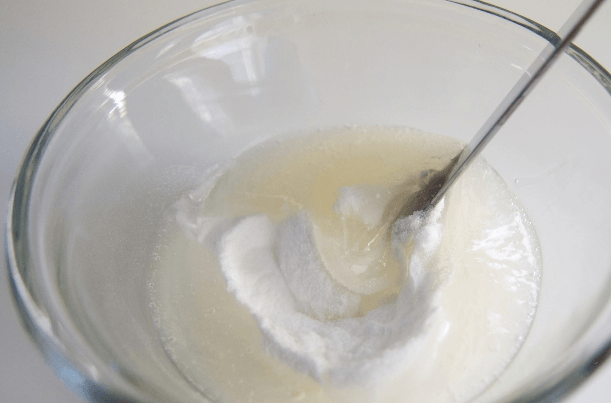
To prepare this powerful tonic, you will need ½ teaspoon of baking soda, two tablespoons of apple cider vinegar, orange wedges, and a shot glass.
- In a shot glass, add one-fourth teaspoon of baking soda. This ingredient will reduce acidity. Consuming apple cider vinegar alone can damage your tooth enamel.
- Add two tablespoons of apple cider vinegar. Stir for about one minute until the baking soda is completely dissolved.
- Next is to slice an orange into eight wedges and set it aside.
- Drink the mixture of baking soda and apple cider vinegar. Since it has a sour taste, drinking it all in one gulp is recommended.
- Eat a citrus wedge to take the sour taste away from your mouth. Another option is to eat another slice of fruit, such as melon or pineapple, to soothe your mouth and throat.
Alternatively, add one tablespoon apple cider vinegar to a warm or hot water glass. Then, add a pinch of baking soda. Mix it well and drink this tonic.
Can I Add a Sweetener to this Drink?
If apple cider vinegar tastes too strong for you, some sweeteners you can try to improve its flavor are agave nectar, honey, stevia, and maple syrup. It is not recommended to add artificial sweeteners or sugar.
How to Take This Mix and Precaution
Consume the mixture three times daily to reap its health benefits. It is best ingested on an empty stomach 30 minutes before meals. I was taking it after a meal is also effective in relieving indigestion.
Some individuals who want to shed excess weight may be tempted to ingest more than needed, which may do more harm than good. Incorporate this drink into your healthy weight loss plan.
Fully optimize its benefits by having a workout program. Remember that the best apple cider vinegar is unfiltered and raw, as it can provide nutrients and enzymes your body needs.
Those who are dealing with water retention can find this a helpful tonic. For best results, make sure that you do not overdo it. It is essential to observe caution when consuming this tonic. If the mixture causes discomfort or makes you feel unwell, discontinue use or reduce the frequency or amount you take.
Expectant mothers and lactating women should avoid this drink for any purpose. Consult your doctor before following this remedy, especially if you have a severe condition that affects the intestine, stomach, esophagus, or mouth.