
Do you have rough patches of dry skin and hard calluses on your feet? Especially during the winter months. You may find dry and chapped skin around your heels. These situations are usually due to accumulated dead skin cells on the feet.
Dead skin on feet can protect your feet’ skin from injury. However, the calluses on your feet will make your feet look bad and uncomfortable, such as pain, itching, and burning sensation.
If not managed properly, it leads to other more serious foot issues. So it is essential to understand what causes dead skin on feet, how to deal with it, and how to prevent it from returning.
Common Causes of Dead Skin on Your Feet
- Standing for long hours – When you constantly put pressure on your feet, there is a big chance that you will acquire dead skin on your feet than usual.
- Do not wear socks– Calluses develop when some conditions, such as wearing very tight shoes, cause a lot of pressure or friction on the skin of your feet, especially if you do not wear socks.
- Harsh Soaps – Some soap products may contain harmful chemicals for your feet. As a result, you will acquire dead skin cells.
- Lack of moisture is one of the most common causes of dead skin cells, as the feet do not have oil glands that can moisturize the skin.
- Being Overweight – When your feet would have to carry more weight than they should, this can cause the acquisition of dead skin.
- Improper Footwear –Some people, especially women, often wear high heels or too-tight socks, leading to the dryness of feet skin.
- Air– If your feet do not get enough air, it can also cause the appearance of calluses.
- Loss of natural oils-If you soak your feet constantly in the water, take long hot baths, use too hard soap, or expose yourself for several hours to the sun. These conditions can deprive the natural oils of your feet, which makes your skin scaly and dry and increase the dead skin on your feet.
- Medical Conditions – Some medical conditions, such as vitamin deficit, psoriasis, diabetes, and eczema, may cause the skin on the feet to become drier than usual.
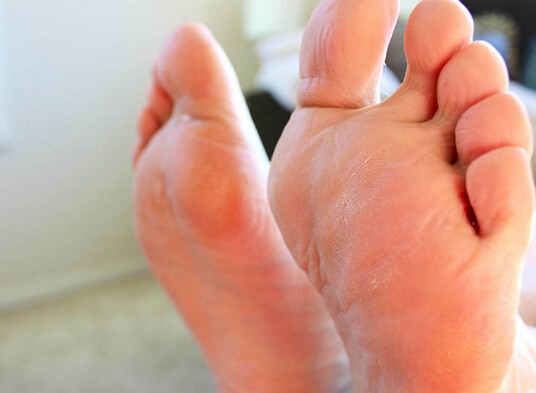
14 Home Remedies to Get Rid of Dead Skin on Feet
This ultimate guide will show you 14 home remedies to remove dead skin from your feet.
Soak and Scrub Your Feet With A Pumice Stone
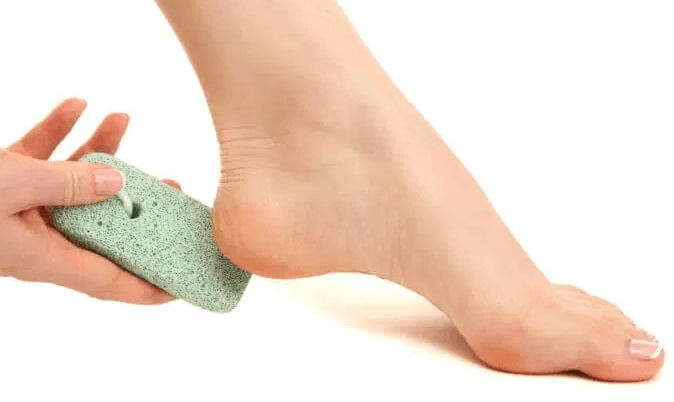
Soaking your feet in the water is an effective method to loosen up the calluses on your feet and make them feel more relaxed. Then you can scrub the dead skin on your feet with a pumice stone. Volcanic rock is another good choice, which can help you remove calluses without damaging the foot skin. You can do this every night before you go to bed.
Direction:
Step 1. Fill a small bathtub with warm water. Ensure the water temperature is not too hot; otherwise, it will hurt your skin. Add liquid soap to the water and soak your feet in it for 20-30 minutes.
Step 2. Carefully wipe off the softened dead skin with a pumice stone, especially around the heels. Because the heel is where rubbing occurs most during walking, so the dead skin is also the most.
Step 3. Rinse with clean water and dry thoroughly with a soft towel. Then apply some moisturizer or foot cream. Gently massage the skin with your hands for a few minutes to help soften your skin.
Step 4. Put on cotton socks, which can effectively help lock in the moisture.
Repeat this process every night for 1-2 weeks. You can also add some nourishing ingredients such as fruit, spices, and oils to get a better result, which can help you remove the dead skin on your feet.
You can also make the scrub by yourself.
- Mix 1 cup of brown sugar, two teaspoons of lavender buds, two teaspoons of coconut oil, and two teaspoons of lavender essential oil.
- Stir well and store in a bottle.
- Apply the mixture on the feet and massage gently.
- Leave it on for 10-20 minutes.
- Rinse off with water, pat dry, and apply moisturizer.
Read:10 Simple Homemade Tips to Get Rid of Shoe Odor
Olive Oil, Castor oil, and Lavender oil
The natural moisturizing cream is another effective home remedy for dry feet and cracked heels. You can use olive oil, Castor oil, lavender oil, and lemon juice to make the cream yourself.
Olive oil and lavender oil can provide a deep moisturizing effect on your skin. Castor oil is rich in a lot of nutrients and vitamins. It also has antibacterial and anti-inflammatory properties, which can help soften and soothe your feet.
Direction:
Step 1. Mix a spoonful of olive oil, castor oil, and a few drops of lavender oil in a small bottle. Shake the bottle until the mixture turns thick and milky.
Step 2. Apply the mixture on your toe and heels to moisturize the skin. Leave it on for 30-40 minutes.
Step 3. Wash it off with lukewarm water and pat it dry. Apply moisturizing lotion on the feet.
You can do this daily until your feet transform soft. You can also add a few drops of lemon juice to get a better result.
Paraffin Wax
Paraffin wax is a natural emollient that can effectively remove dead skin and cracked feet. It has moisturizing properties that can open skin pores and moisturize the skin. It also can help retain the skin’s natural oils and make it softer than ever. You can find a Paraffin wax treatment service at your local spa.
Direction:
- Heat paraffin wax in your microwave or your pan.
- Add a hint of coconut oil to it.
- Apply the paste, which may be a bit hot initially, but you will get used to it.
- Leave on the feet overnight.
- Wash off the wax on your feet in the morning.
You can also dip your feet into warm and melted Paraffin wax for 30-40 minutes. Cooled wax can help moisturize the skin, pulling dead skin cells away when pulled off.
Soften Your Feet With Glycerin
Glycerin is one of the sugar alcohol that dermatologists may use before doing some treatments for the skin. You can also find it in many other products, such as toothpaste, shaving cream, soaps, and lotions. It has moisturizing and softening properties which can help remove dry skin from your feet and make them soft.
Direction:
- Apply the glycerin directly to the dry patches of skin.
- Leave on the feet for about 20 minutes before washing off with warm water.
- You can do this daily for a couple of weeks.
Epsom Salt
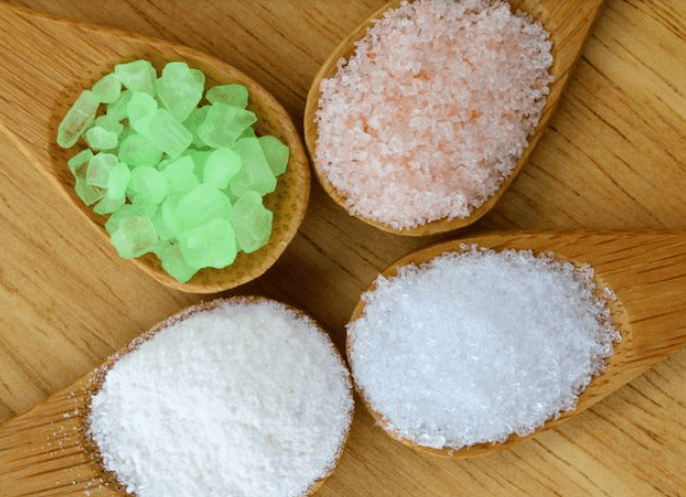
Epsom salt is another effective method to treat your problems in feet. It can soften your rough layer of dead skin and improve circulation around the feet. It also contains magnesium that may help remove the toxins from the feet.
Direction:
Step 1. Fill a small tub with warm water and add 1-2 handfuls of Epsom salt. Stir for 1-2 minutes until the salt is completely dissolved.
Step 2. Soak your feet for 40-50 minutes.
Step 3. Dry your feet with a soft towel and apply petroleum jelly or moisturizer to moisturize your skin.
You can do this every night before you go to bed.
Read:8 Amazing Benefits and Uses of Epsom Salt in Your Home
Mentholated Rub
The mentholated rub is very effective in getting rid of dry and cracked feet. It contains a lot of natural essential oils that can be good for the skin. This can be effective if you also have some problems with fungus.
Direction:
- Make sure that your feet are clean and dry.
- Apply the mentholated rub on your feet.
- Put on a pair of socks and leave them on overnight.
- In the morning, wash with warm water.
- This would have to be done until you get the desired results.
Tough Skin With Lemon Juice

Lemon is one of the most effective natural remedies for various skin problems. The citric acid in lemon juice can effectively break down the patches of dead skin and calluses. At the same time, the potassium in lemon can help moisturize the dry skin in the feet area. It also can make your feet look more smooth.
Direction:
Step 1. Prepare some fresh lemons and wash them with clean water. Cut them with a knife and squeeze the juice into a small bowl.
Step 2. Fill the footbath with warm water and add the prepared lemon juice.
Step 3. Soak your feet for 20-30 minutes. Then use a foot scrub or pumice to remove the dead skin gently.
Step 4. Dry your feet with a soft towel. Apply a moisturizer or vaseline on your feet to increase the effect.
You can also mix some petroleum jelly with lemon juice, then apply the mixture on your feet overnight. This can help exfoliate the layers with the dead skin of your feet.
Note: Avoid this method if you have an open wound, as the acids in lemon can cause a strong burning sensation.
Vinegar and Listerine
If you want to remove accumulated dead skin, vinegar and Listerine can be very effective. This can make the dead skin softer around the feet so that you can scrub it off quickly. It’s best to use this method at night before sleep.
Direction:
Step 1. Fill a small foot tub with warm water. Add 2-3 spoons of vinegar and Listerine and mix well. You can also add 1-2 spoons of antiseptic mouthwash, which can help kill bacteria and fungi.
Step 2. Soak your feet in the solution for 30-40 minutes, and use a foot scrubber to exfoliate your feet gently, especially your heels.
Step 3. Wash your feet and pat them dry with a soft towel. Apply moisturizing lotion or petroleum jelly on your feet afterward.
You can repeat this process for 1-2 weeks to remove the dead skin on your feet.
Note: You can also use a cotton ball to place the vinegar directly on the skin and cover it with a bandage overnight. Do not touch the surrounding skin, as the natural vinegar acid can irritate your skin.
Oatmeal
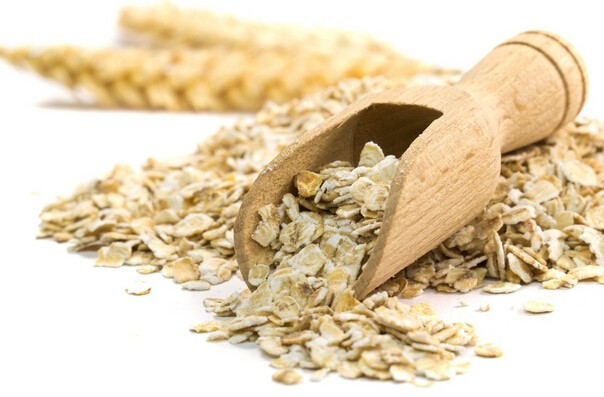
If you want to get rid of dead skin on your feet with an effective remedy, oatmeal is the proper remedy. You can make a foot scrub with oatmeal so that you can remove dead skin cells effectively at the same time, and you can also keep the skin on your feet moisturized.
Direction:
Step 1. Mix some oatmeal with rose water or milk to make a paste.
Step 2. Apply the paste on the calluses for 20-30 minutes to soften the dead skin on the feet.
Step 3. Gently scrub the feet with a pumice stone or foot brush. Rinse off with cold water. Pat dry with a soft towel and apply the moisturizer or foot cream.
You can do this every other day for 1-2 weeks.
Nourish Your Feet With Overripe Banana
Banana is another effective way to nourish your skin. It contains a lot of potassium which can help get rid of dry and cracked skin. Remember that when using a banana, you should choose an overripe one. Blend them into a paste and apply them on your cracked feet to eliminate the dead skin on them.
Direction:
- Blend the overripe banana to form a thick paste.
- You can also add some avocado or honey if you want it to be more effective.
- Apply this paste on your feet for about 10 – 15 minutes.
- Rinse them with lukewarm water.
- Follow this remedy 1-2 times every day.
Use Baking SodaTo Blast Through Dry Patches
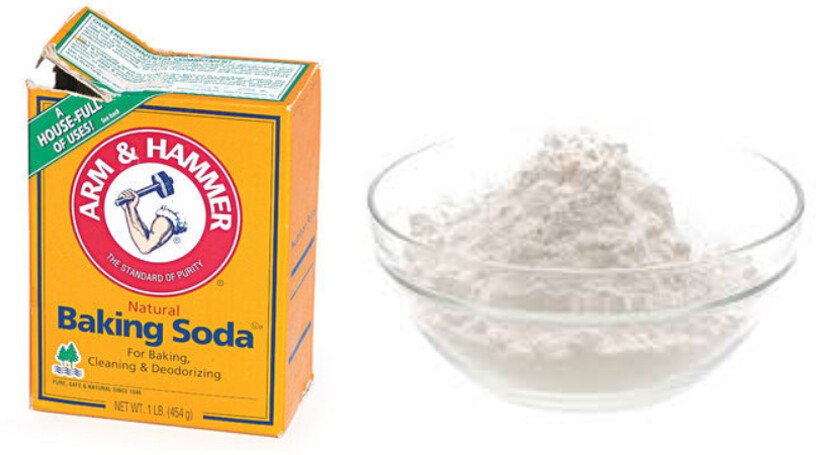
Baking soda is one of the best products to remove dead skin cells and calluses. It can also help restore the skin’s pH of feet to prevent infections that can affect the feet.
Direction:
Step 1. Add a quarter cup of baking soda to a basin with warm water. Mix well until the baking soda dissolves completely in the water. You can also add some fresh lemon juice for additional benefits.
Step 2. Soak your feet for 20-30 minutes. If the water temperature is not warm, you can add some hot water, but do not be too hot; otherwise, it will hurt the skin.
Step 3. Clean your feet with cold water, pat them dry and then apply some moisturizing lotion afterward.
You can do this every day before you go to bed for several weeks.
Aspirin
Aspirin can be used to cure headaches and acne. In addition, it has acetylsalicylic acid and anti-inflammatory properties, which can help remove dead skin and calluses.
Direction:
Step 1. Crush 5-6 aspirin tablets into a powder. Mix the powder with one-half teaspoon of lemon juice and one teaspoon of water to make a paste.
Step 2. Apply the paste onto the affected areas of the feet for 10-15 minutes.
Step 3. Wash off with lukewarm water and let it dry. Apply a moisturizer on your feet to increase the effect.
Soften Your Feet With Petroleum Jelly
Vaseline is a very common ingredient in many cosmetics. It can soften and moisturize your feet effectively. You can apply petroleum jelly on your feet overnight, which will have a fantastic impact on the skin.
Direction:
- Mix Vaseline with fresh lemon juice to make a paste.
- Apply the mixture to the affected area and massage gently.
- Leave it on your feet for 10-20 minutes.
- Wash off with lukewarm water.
Note: You can also directly apply petroleum jelly to the feet. Then wear a pair of socks to lock the moisture. You can do this 2-3 times daily.
Soften Your Feet With Honey

Honey is a natural substance with antibacterial and anti-inflammatory properties, which can help eliminate bacteria and fungi and effectively remove the dead skin on your feet. In addition, it can moisturize the skin and help soften your feet.
Direction:
Option 1:
- Mix several tablespoons of honey with plenty of lukewarm water in a basin.
- Soak your feet in the mixture for 20-30 minutes.
- Pat dry and apply some moisturizer to your feet.
- You can do it multiple times daily because honey has no side effects on your skin.
Option 2:
- You can also mix a tablespoon of rice flour or olive oil with raw honey to make a paste.
- Apply the paste directly to your skin and massage gently.
- Leave it on the skin for 10-15 minutes.
- Rinse it off with warm water and apply moisturizing lotion.
Note: You’d better use raw honey, do not choose the honey in the supermarket; some of the additives may cause harm to your skin.
Foot Cream Or Foot Peel
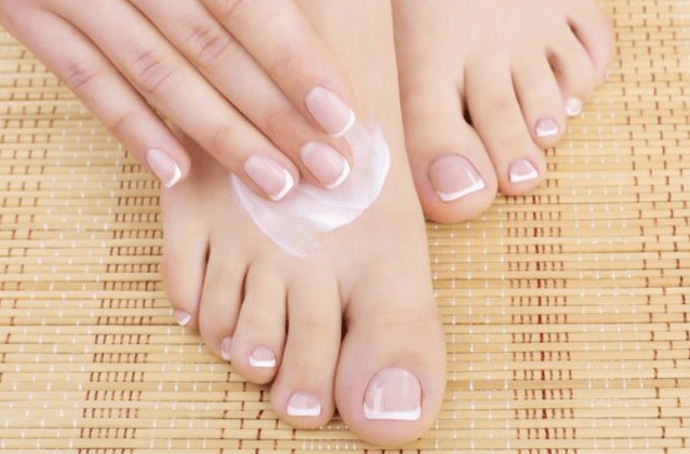
Some powerful Foot Cream can help you pamper and regenerate the skin on your feet.
Barielle’s foot cream is one of the most recommended by “InStyle” magazine’s beauty editors. The alpha-hydroxy acids in the cream can help exfoliate your feet and slough off dead skin cells. It contains many herbal extracts, such as lemon oil, which can help hydrate and soften your feet.
Akileine exfoliating foot cream is another powerful foot cream for dead skin on feet. This cream can slowly dissolve hyperkeratosis on your feet and slough away the dead skin. It also contains salicylic acid that can help peel calluses and hard skin on your feet. You will get soft and supple foot skin.
When using this product, you need to put it on damp feet and let it dry, preventing it from harming your skin.
Milky Foot Exfoliations Pads are a very popular foot peel. It can help peel cracked, hard skin on the toe or heels. It is very easy to use.
You must put your feet into two plastic covers for about one hour. This will cause a cooling and tingling sensation. You will notice the dead skin peel off within 2-3 days, and the new, soft skin begins to show.
How to Prevent Calluses and Dead Skin on Feet
Many precautions in daily life can effectively prevent the occurrence of dead skin on the feet. Taking care of personal hygiene is always suitable; this can help you avoid many skin infections. Here are some valuable tips that can help you keep your skin healthy.
- If you are overweight, losing weight will always be your best choice, which will help get rid of your foot problems and benefit your overall health.
- You’d better exfoliate the dead skin with a pumice stone at least two times a month. This can help you prevent the build-up of dead skin on your feet.
- Make sure to apply moisturizers after taking a bath. This can help moisturize your skin effectively.
- Avoid too-tight shoes or socks, which will stop your feet from breathing, especially for people who need to stand or walk for a long time.
- Applying cushions to your working boots is an excellent idea to protect your skin. Try to avoid walking barefoot.
- Avoid a bath too hot or cold, especially if you have diabetes and peripheral vascular disease.
- Ensure to clean the tools for scrubbing after each use to prevent breed bacteria.
- Avoid using drastic chemical substances to wash your feet, which can damage the skin of your feet and cause dryness.
- Avoid home remedies if you have cuts or wounds on your feet, especially diabetes. This may lead to dangerous foot infections. You should seek medical advice immediately.




I really enjoy looking through on this site, it contains excellent content.
Thanks for this useful information. Please I would like to know a natural remedy to pre-ejaculation
I just hate this dead skin on my feet. I wish someone would help me get rid of them. I can’t do all these stated here.